

Hypermarket RFID for Fashion Improve retail inventory visibility, stocktaking, replenishment and loss prevention with integrated RFID retail solutions. Apparel E-Commerce RFID Improve inventory tracking, picking, shipment verification and returns with an RFID inventory tracking system for e-commerce. Apparel Wholesale RFID Streamline bulk receiving, warehouse inventory, order picking and shipment verification with RFID warehouse inventory management. Apparel Retail Brand RFID Connect item-level inventory, store operations and omnichannel fulfilment with RFID solutions for apparel and fashion retail brands. ```
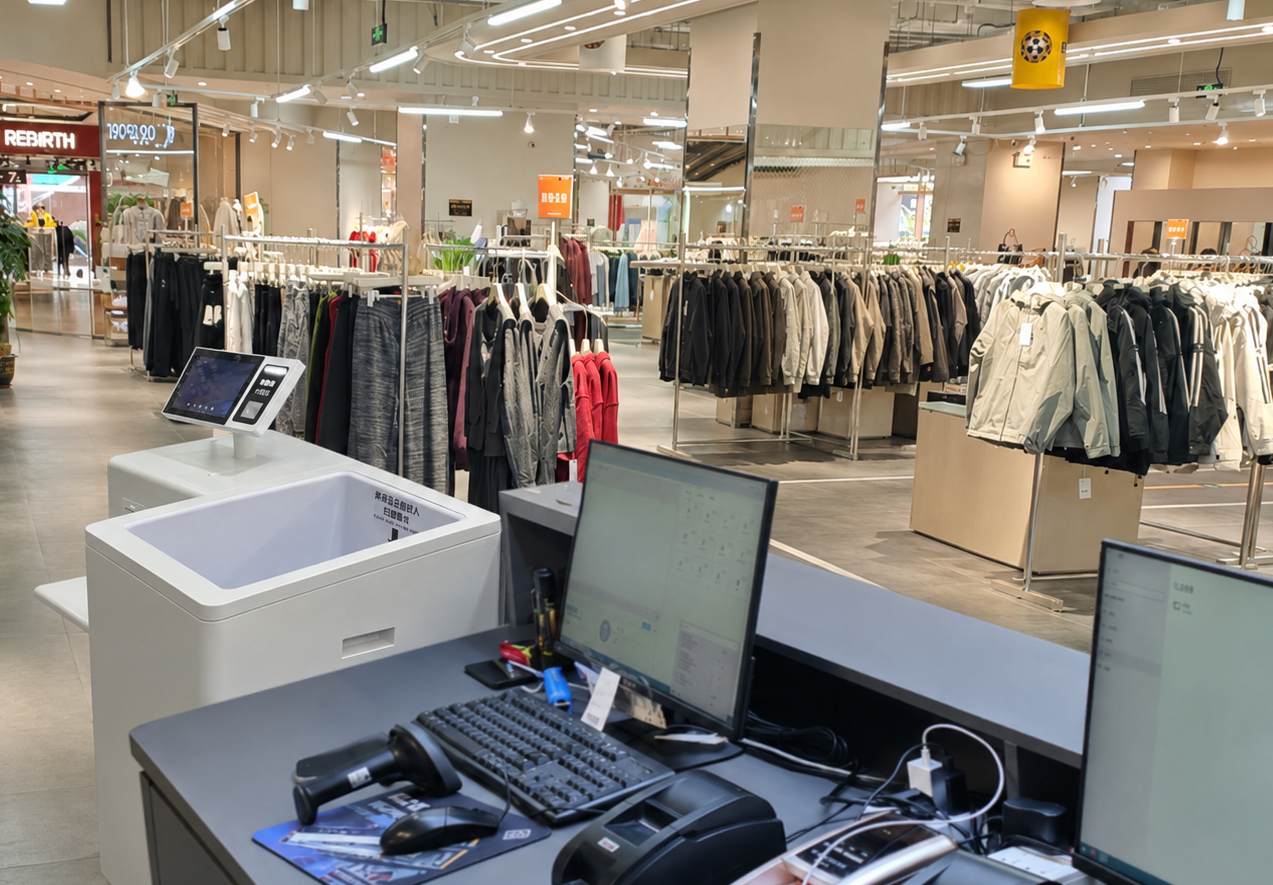
Retail RFID Solutions for Large-Format Fashion Stores Improve Inventory Accuracy and Store Execution Across Every Hypermarket Operation Fashion hypermarkets manage thousands of styles, colours and sizes across receiving areas, stockrooms, sales floors and checkout zones. When inventory records fall behind physical stock movement, receiving, counting, replenishment and loss control all become harder to manage. Xiaota connects UHF RFID tags, readers, self-developed software, business-system integration and on-site implementation to create item-level visibility from warehouse receipt to store inventory, replenishment, checkout and exit. Results reported in one documented Xiaota fashion-hypermarket project: 500+stores in the customer network 15×reported receiving efficiency 10×reported counting efficiency Weeklycounts replaced monthly counts Fashion Hypermarket Challenges Large Assortments Create Four Connected Operating Gaps The central challenge is maintaining a reliable item-level stock position while merchandise moves through warehouse, stockroom, sales floor and checkout processes. 01 Inventory Uncertainty Infrequent manual counts and disconnected systems make it difficult to know what is physically available and where each item is located. 02 Slow Receiving and Verification Opening cartons and scanning items one by one slows inbound work and delays the identification of quantity or item discrepancies. 03 Delayed Replenishment and Lost Sales The required size or style may be missing from the sales floor even when stock is available in the back room. 04 Checkout and Loss-Control Gaps Item-by-item checkout creates queues, while limited transaction and movement data makes unexplained loss harder to investigate. One Item-Level Inventory Foundation Connect Receiving, Inventory, Replenishment and Checkout Each RFID-tagged garment carries a unique item identity. RFID readers capture multiple items without scanning every barcode individually, while Xiaota software records receiving, inventory, transfers, checkout and exception events. Standard API integration can connect RFID data with existing ERP, WMS and POS environments, giving warehouse and store teams a more current view of physical stock and clearer operational tasks. More than an RFID device deploymentXiaota combines tags, devices, self-developed software, integration, process testing, on-site deployment, training and ongoing service. Featured RFID Solutions Four Connected RFID Workflows for Fashion Hypermarkets Choose the workflow that matches the current operating priority, then expand on the same item-level inventory foundation. 01 / ITEM IDENTITY RFID Tagging & Item Identification Create a unique digital identity for every item before it enters inventory operations. Workflows: Tag printing · Encoding · Item binding Explore this solution → 02 / WAREHOUSE FLOW RFID Warehouse Receiving & Shipping Accelerate bulk receiving and verify outbound shipments with less item-by-item handling. Workflows: Bulk receiving · Quantity verification · Shipping verification Explore this solution → 03 / STORE INVENTORY RFID Store Inventory & Stock Transfer Keep store inventory more current through faster receiving, cycle counting and transfer verification. Workflows: Store receiving · Stocktaking · Replenishment · Transfers Explore this solution → 04 / STORE EXIT RFID Checkout & Loss Prevention Improve checkout efficiency and connect transaction status with item-level exit monitoring. Workflows: Multi-item checkout · POS updates · Exit detection Explore this solution → RFID Retail Inventory Management Turn Inventory Data into Clearer Daily Actions RFID supports a practical operating rhythm: receiving updates stock, cycle counts correct discrepancies, and replenishment tasks move available merchandise from the stockroom to the sales floor. Receive with less item-by-item handlingCapture multiple tagged garments and compare the result with expected inbound data. Count more frequentlyPerform cycle counts with handheld or fixed RFID reading methods without lengthy store disruption. Replenish with better stock confidenceIdentify products available in the stockroom but missing from the sales floor. Faster Checkout. Better Exit Awareness. Connect the Sale with Item-Level Loss Prevention RFID checkout equipment can identify multiple tagged garments in one reading zone, helping staffed or self-service checkout process baskets more efficiently than scanning every barcode individually. Connecting checkout status with RFID exit detection gives teams clearer information about paid and unpaid item movement. Deployment is configured around store layout, POS processes and loss-prevention requirements. Batch ReadingSelf-Service CheckoutPOS IntegrationRFID Exit Detection Related Products RFID Products for Hypermarket A complete RFID workflow can combine tag printing, mobile an...
Read More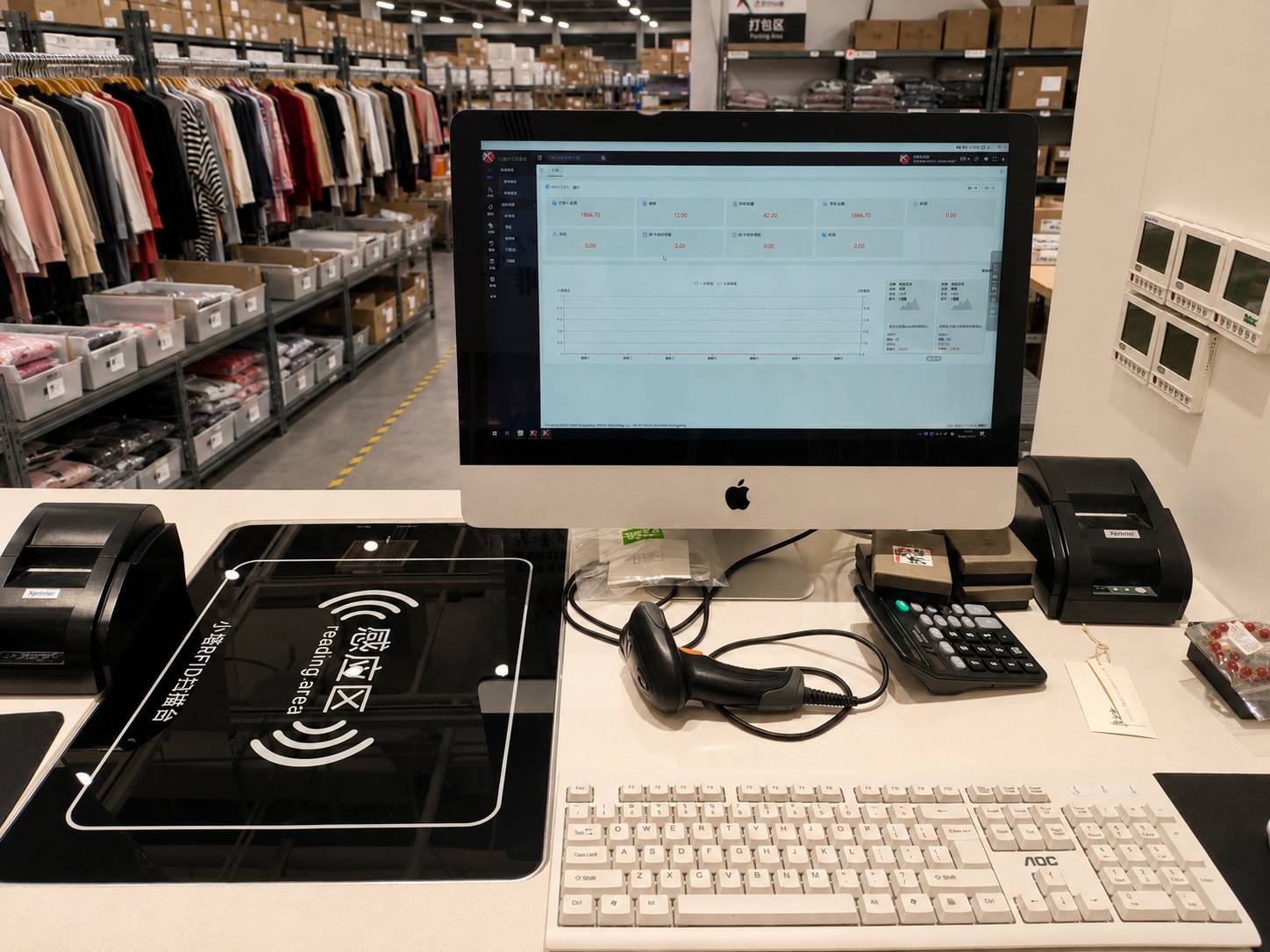
RFID for Fashion E-Commerce Turn Every Tagged Item into Trusted E-Commerce Inventory Fashion e-commerce depends on knowing which item arrived, where it is stored, what was picked, what was shipped and what came back. Xiaota connects UHF RFID tags, readers, self-developed software and system integration to create item-level visibility across the fulfillment lifecycle. The result is a practical RFID inventory management foundation for supplier traceability, quality records, warehouse receiving, order verification and returns handling - built around the customer's existing ERP, WMS and OMS environment. Results reported in one project documented in Xiaota's company materials: 20 Million+items handled annually 10×+receiving efficiency 5×+return-handling efficiency 99.99%shipping accuracy reported E-Commerce Challenges High Order Volumes Expose Every Inventory Gap When supplier, warehouse, order and return records are disconnected, small identification errors can become overselling, slow fulfillment, avoidable returns and difficult investigations. 01 Supplier identity is difficult to traceMixed suppliers and similar products make item-level source verification difficult without a persistent identity. 02 Receiving discrepancies slow handoverCarton-by-carton or item-by-item manual checks increase labor and make missing or unexpected goods harder to identify quickly. 03 Available-to-sell inventory becomes unreliableDifferences between physical stock and system stock can affect order allocation and delivery promises. 04 Packing and shipping mistakes reach customersSimilar colors, sizes and styles increase the risk of wrong-item, missing-item and duplicate-item shipments. One Item Identity Across the Order Lifecycle Connect Physical Goods with ERP, WMS and OMS Records An RFID tag gives each garment a unique item identity. When that identity is associated with product, supplier and quality information, operational reads can update the item's history from source tagging and receiving through order fulfillment and returns. Xiaota can connect RFID workflow data with the customer's ERP, WMS and OMS through agreed interfaces. The objective is not to replace every business system, but to make physical item events more visible and usable within existing operations. One implementation pathXiaota can provide RFID tags, printing and encoding, handheld and fixed readers, self-developed software, system integration, process testing, deployment, training and ongoing support. Featured RFID Solutions Four Connected Workflows for Fashion E-Commerce Deploy one workflow first or connect all four around a shared item identity and integration framework. 01 / SOURCE & QUALITY RFID Source Tagging & Quality Traceability Create the item identity before goods enter the warehouse and connect supplier and inspection information with the physical garment. Included workflows: Tag Printing · Tag Installation · RFID QC · Vendor Shipping Explore this solution → 02 / INBOUND INVENTORY RFID Receiving & Inventory Synchronization Verify supplier deliveries, capture carton or item-level receiving events and provide more reliable physical-stock updates to business systems. Included workflows: Carton Receiving · Inbound Verification · Inventory Updates Explore this solution → 03 / ORDER FULFILLMENT RFID Order Fulfillment & Shipping Verification Use item-level verification to support picking, packing and outbound checks before an order leaves the fulfillment center. Included workflows: Order Picking · Packing Verification · Shipment Verification Explore this solution → 04 / RETURNS RFID Returns Verification & Product Traceability Identify returned items quickly and connect them with supplier, quality, shipment and sales records for clearer exception handling. Included workflows: Return Scanning · Sales-History Matching · Restocking Explore this solution → Fulfillment Execution Verify the Order Before It Leaves the Warehouse RFID can check multiple tagged garments at a desktop or controlled reading station and compare the captured identities with the expected order. The workflow can help teams identify style, size or quantity discrepancies before packing is completed. Confirm picked itemsCompare captured item identities with the order or picking task. Verify packing contentsDetect missing, wrong or duplicate items before sealing the parcel. Record outbound statusSend the verification result to the agreed business-system workflow. Related Products RFID Products for E-Commerce RFID A complete RFID workflow can combine tag printing, mobile and fixed reading, checkout equipment and loss-prevention devices according to the store layout and operating requirements. Mobile Inventory RFID Reader Tag Printing & Encoding RFID Roll Tag Printer Self-Service Checkout RFID Self-Service Cashier Bulk Receiving & Shipping RFID Tunnel Self-Service Checkout ...
Read More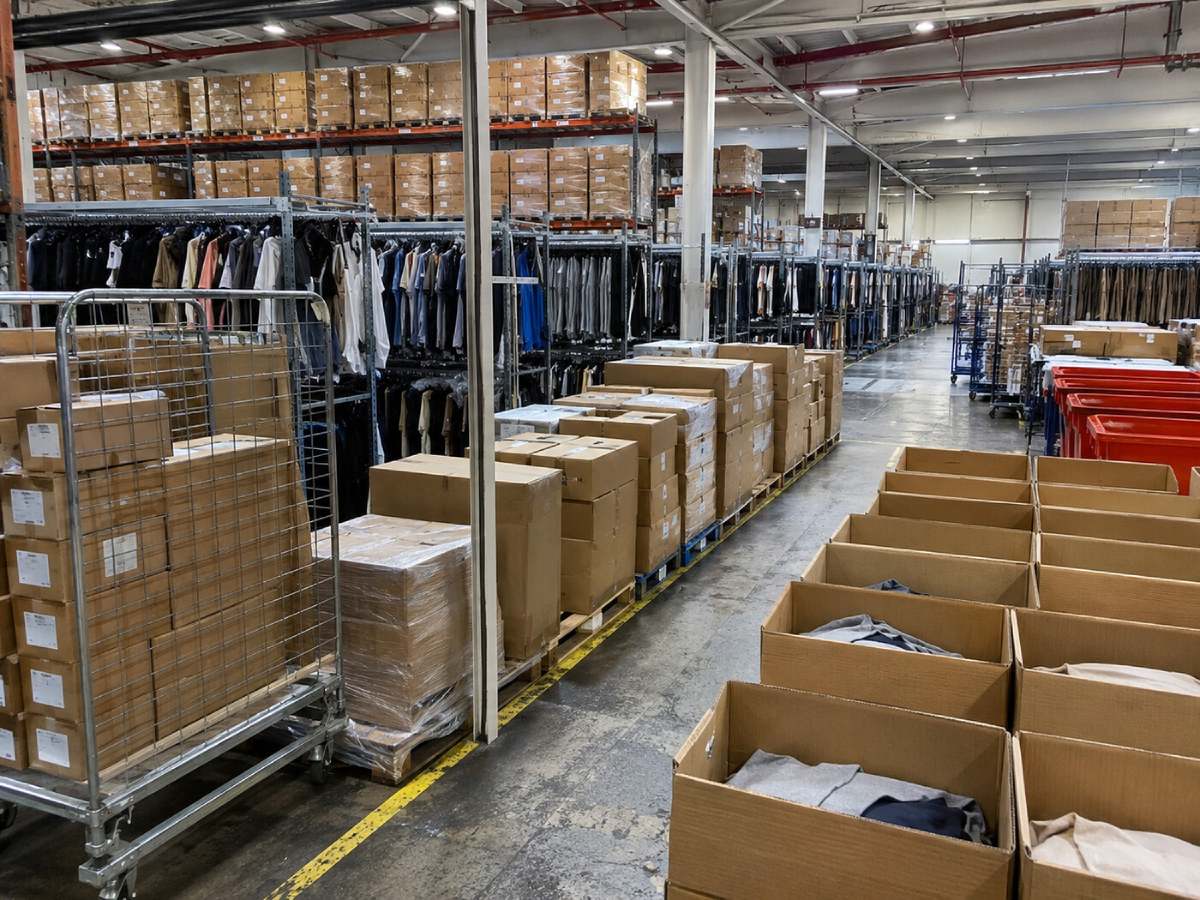
RFID Solutions for Wholesale & Distribution Track Every Item from the Brand Warehouse to the Wholesale Channel Xiaota connects RFID tags, warehouse verification, partner receiving and item-level traceability in one practical workflow for fashion wholesale and distribution. Improve shipping accuracy, accelerate channel handovers and build clearer evidence when goods appear outside their assigned sales channels. Discuss Your RFID Project → Wholesale Challenges When Goods Move Faster Than the Information Behind Them Fashion distributors handle large quantities, many styles and multiple channel partners. Barcode-only processes often leave gaps between physical movement and system records. 01 Channel Ownership Is Unclear Without an item-to-partner record, tracing goods found in another region or online channel is slow and inconclusive. 02 Shipping Checks Take Too Long Manual piece-by-piece checks delay outbound processing and still allow wrong styles, shortages or over-shipments. 03 Partner Receiving Is Disconnected Goods may arrive before receiving data is confirmed, creating disputes and delayed inventory updates. 04 Stock Counts Are Labor-Intensive High SKU counts and mixed cartons make inventory checks heavily dependent on experienced staff. 05 Gray-Market Evidence Is Fragmented When products appear in unauthorized channels, teams need reliable item history—not assumptions—to investigate. 06 Systems and Physical Flow Drift Apart ERP records lose value when receiving, shipping and partner handovers are not captured at the point of work. One Item, One Digital Identity Connect Product Identity with Every Channel Handover An encoded UHF RFID tag gives every garment a unique item identity. Xiaota records key events as the item is produced, received, shipped and accepted by a wholesale partner. These records can synchronize with your ERP and support faster operational checks, partner accountability and trace-back investigations. The goal is not merely to read a tag—it is to connect physical goods with usable business data. Featured RFID Solutions Four Connected Workflows for Fashion Wholesale Deploy each workflow independently or connect all four as one channel-control program. Every solution is organized around an operating process, not an isolated device. 01 / Item Foundation RFID Tagging & Item Identification Print, encode and apply RFID tags to create a unique digital identity for every item before it enters warehouse and channel operations. RFID tag printing and EPC encoding Hang-tag installation or sewn-label application Product information binding and item-level identification Explore this workflow → 02 / Warehouse Flow RFID Warehouse Receiving & Shipping Verification Accelerate bulk receiving and verify outbound shipments with RFID to reduce repetitive scanning and expose quantity or item discrepancies before dispatch. Bulk inbound receiving and quantity confirmation Wrong-item, missing-item and over-shipment detection Outbound verification with ERP record synchronization Explore this workflow → 03 / Partner Operations RFID Partner Receiving & Inventory Control Give wholesale partners a faster way to confirm deliveries, count stock and record goods movement with handheld RFID operations. Channel receiving and shipment confirmation RFID inventory counting and discrepancy review Partner stock updates and clearer goods handovers Explore this workflow → 04 / Channel Governance RFID Channel Traceability & Gray Market Control Link item identities with assigned partners and recorded handovers to support trace-back when merchandise appears in an unexpected region or online channel. Item-to-channel assignment and ownership records Trace-back from EPC to shipment and partner Operational evidence for unauthorized resale investigations Explore this workflow → Warehouse Receiving & Shipping Verify More Goods with Fewer Manual Touchpoints RFID readers capture multiple tagged items without line-of-sight scanning. Inbound teams can compare received quantities with expected records, while outbound teams can verify cartons or batches before shipment. Exceptions are surfaced for review so operators can correct missing, extra or wrong items before the shipment reaches a wholesale partner. Related Products RFID Products for Wholesale RFID A complete RFID workflow can combine tag printing, mobile and fixed reading, checkout equipment and loss-prevention devices according to the store layout and operating requirements. Mobile Inventory RFID Reader Tag Printing & Encoding RFID Roll Tag Printer Self-Service Checkout RFID Self-Service Cashier Bulk Receiving & Shipping RFID Tunnel Self-Service Checkout RFID Self-service Cashier Controlled Batch Reading RFID Cabinet Reader Business Value Operational Speed with Stronger Channel Accountability The same item-level data that accelerates daily work also creates a more rel...
Read More
RFID Solutions for Fashion Retail Brands Connect Every Item from the Brand Warehouse to the Store Floor Xiaota connects RFID tags, warehouse operations, store inventory, checkout and product movement data in one practical system for fashion retail brands. Improve inventory accuracy, shorten stocktaking time and create clearer item-level visibility across stores and channels. Results reported in one documented Xiaota fashion-retail project: 7fashion brands 4,000stores 15×store counting efficiency Dailycounts replacing monthly counts Selected Customers Fashion Businesses Supported by Xiaota RFID Fashion Retail Challenges Complex Product Movement Creates Four Connected Operating Gaps Fashion brands manage frequent launches, many styles and sizes, warehouse transfers, thousands of store locations and fast-changing sales activity. When physical goods and system records are disconnected, operational decisions become slower and less reliable. 01 Warehouse Handling Is Slow Piece-by-piece barcode checks restrict receiving and shipping capacity during seasonal peaks. 02 Store Inventory Is Inaccurate System stock may not reflect items on the sales floor, in the stockroom, in transit or awaiting returns processing. 03 Stocktaking Takes Too Long Manual counting interrupts store operations and makes frequent cycle counts difficult to sustain. 04 Checkout and Loss Controls Are Separate Payment status and exit monitoring cannot work together effectively without a shared item identity. One Item, One Connected Record Make Item-Level Data Available Across the Retail Lifecycle An encoded UHF RFID tag gives every garment a unique identity. Xiaota records key events from tag printing and warehouse handling to store receiving, stocktaking, checkout and returns. RFID events can synchronize with ERP and POS data, helping brand teams work from a more consistent view of product location, inventory status and transaction history. One coordinated RFID programXiaota provides RFID tags, devices, self-developed software, ERP/POS integration, project implementation, training and ongoing service. Featured RFID Solutions Four Connected Workflows for Fashion Retail Brands Deploy each workflow independently or connect all four as part of a wider RFID program. Every solution is organized around a real operating process rather than a single device. 01 / PRODUCT FOUNDATION RFID Tagging & Product Identification Print, encode and apply RFID tags to establish a unique digital identity before products enter warehouse and store operations. Workflows: Tag printing · EPC encoding · Product-data binding Explore this workflow → 02 / DISTRIBUTION OPERATIONS RFID Warehouse Receiving & Shipping Verification Capture multiple tagged products in bulk to accelerate inbound receiving and verify outbound shipments before goods reach stores. Workflows: Bulk receiving · Quantity confirmation · Shipping verification Explore this workflow → 03 / STORE OPERATIONS RFID Store Inventory & Returns Management Maintain a more accurate store inventory through faster receiving, shipping, stocktaking, item movement and returns verification. Workflows: Store receiving · Stocktaking · Replenishment · Returns Explore this workflow → 04 / CUSTOMER-FACING OPERATIONS RFID Checkout, Loss Prevention & Fitting Insight Connect batch checkout, paid-item status, exit monitoring and product-level fitting activity to improve store efficiency and merchandise control. Workflows: Multi-item checkout · POS updates · Exit verification · Fitting insight Explore this workflow → Store Inventory Management Count More Frequently without Disrupting Store Operations Handheld RFID readers capture multiple items without individual line-of-sight scanning. Store teams can complete receiving, shipping, stocktaking and item searches in a more consistent workflow. More frequent counts help identify discrepancies earlier and provide a stronger inventory foundation for replenishment, transfers, click-and-collect and other omnichannel services. Connected Customer-Facing Operations Connect Checkout, Loss Prevention and Fitting Insight Connect batch checkout, paid-item status, exit monitoring and product-level fitting activity to improve store efficiency and merchandise control. Multi-Item RFID CheckoutPOS IntegrationPaid-Status UpdatesRFID Exit VerificationFitting Activity Business Value and Project Experience Reliable Inventory Data for Faster Retail Decisions The same item-level foundation supports warehouse efficiency, store execution, merchandise protection and cross-channel inventory visibility. FasterWarehouse verification and store stocktaking More AccurateItem-level stock and shipment records More VisibleInventory across warehouses, stores and returns ConnectedRFID events integrated with ERP and POS RFID Management across Seven Fashion Brands and 4,000 Stores Xiaota implemented an RFID man...
Read MoreThis solves the anxiety about fit and color difference from the source, helping you significantly reduce return rates and achieve truly efficient repeat purchases
RFID Tags
RFID Devices
Software & Integration
Customizable RFID labels for apparel identification, inventory management and item-level tracking, with printing, encoding and unique TID or EPC data binding.
See More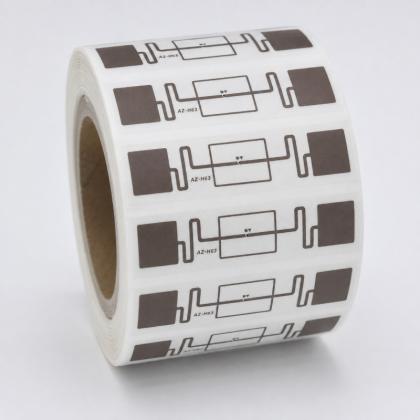
Xiaota RFID Sewed Tag integrates UHF RFID identification into garments, supporting item-level inventory management, product tracking and traceability across apparel production, warehousing and retail.
See More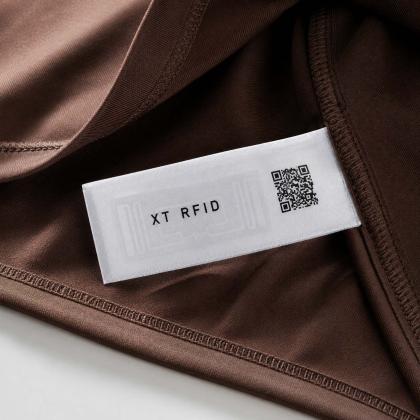
RFID Tag for Fashion Retail Smart Identification Designed to Be Seen The Xiaota RFID Tag combines a fashion-ready hang tag with UHF RFID identification. Compared with a standard adhesive RFID label, it offers more space for visual design and fits naturally with apparel, footwear and fashion accessories. Built with the Kiloway ONLY 1 read-only UHF RFID chip, each RFID hang tag carries a unique, factory-fixed S-EPC identity. The identity can be associated with a SKU, barcode, order or item record in Xiaota software without on-site RFID encoding. Brand Presentation + Item Identification Why Choose an RFID Hang Tag? 01 Fashion-Ready Presentation The visible tag format provides more room for brand graphics, product information and a presentation that complements apparel and accessories. 02 Unique Item Identity A unique S-EPC is fixed before delivery. The RFID tag can be associated with business data without requiring on-site chip writing. 03 Efficient Batch Reading Multiple tagged items can be identified in batches, supporting faster receiving, inventory counting, transfer and shipment verification. 04 Printable and Customizable Artwork, printed information, dimensions and finished construction can be configured around the product, brand and application requirements. Built for Apparel and Fashion Workflows Fashion Brands Source tagging, product identity, supply chain visibility and consistent branded presentation. Apparel Retail Stores Goods receiving, store inventory, replenishment support and item-level stock visibility. Warehouse & Distribution Bulk receiving, cycle counting, stock transfer, order picking and shipment verification. Fashion E-Commerce Inventory synchronization, order verification, packing control and returns processing. RFID Hang Tag or RFID Label? Both formats can support similar RFID workflows. The main difference is presentation and attachment: a hang tag is more visible and fashion-oriented, while a label is compact and operational. Comparison RFID Hang Tag RFID Label Appearance More visible and suitable for brand presentation Compact and function-oriented Typical Placement Apparel, footwear and fashion accessories Products, packaging, cartons and inventory units Printing Custom artwork and product information Custom visual information and barcodes Face Material Coated paper / synthetic paper Coated paper / synthetic paper RFID Capability Supports batch identification and item tracking Supports batch identification and item tracking Best Choice When Appearance and fashion presentation matter A compact adhesive format is preferred Need a compact adhesive format? Explore the Xiaota RFID Label for packaging and operational identification. VIEW RFID LABEL More Than an RFID Tag Connected to a Complete RFID Solution Xiaota combines RFID tag selection, readers, software integration, workflow planning and on-site implementation. This helps customers turn each tag identity into usable inventory and supply chain data. 1. Attach Attach the RFID hang tag to the item. 2. Bind Associate S-EPC with SKU, barcode or item data. 3. Read Capture multiple tagged items at operational checkpoints. 4. Manage Use the data for inventory and process decisions. General Specifications Product Type Printable UHF RFID hang tag RFID Technology UHF RFID Chip Kiloway ONLY 1 read-only chip Protocol ISO/IEC 18000-6C (EPC Class 1 Gen 2) Operating Frequency 840–960 MHz; regional frequency tuning available Data Identity Unique factory-fixed S-EPC; read-only On-Site Encoding Not required; item data is associated through the software system Face Material Coated paper / synthetic paper Printing Supported; artwork and printed content are customizable Size & Construction Configured according to the item, artwork and application requirements Reading Performance Depends on antenna design, reader configuration, nearby material and operating environment Samples & MOQ Sample testing available; MOQ depends on customization requirements Note: Final performance should be verified using the selected antenna, tagged item and reader configuration in the actual operating environment. RFID Tag FAQs What is the main difference between an RFID hang tag and an RFID label? The RFID capability can be similar. A hang tag is more visible and provides more space for fashion-oriented artwork, while a label offers a compact adhesive format. Can the ONLY 1 chip be rewritten? No. ONLY 1 is a read-only chip with a unique S-EPC fixed before delivery. This removes the need for on-site RFID writing. Can the RFID tag match our brand design? Yes. The visible artwork, product information, dimensions and finished construction can be customized after the requirements and artwork are confirmed. Can RFID hang tags support inventory management? Yes. They can support receiving, counting, transfer, order verification and other RFID inventory workflows when combined with suitable readers and software. Create an RFID Tag...
See More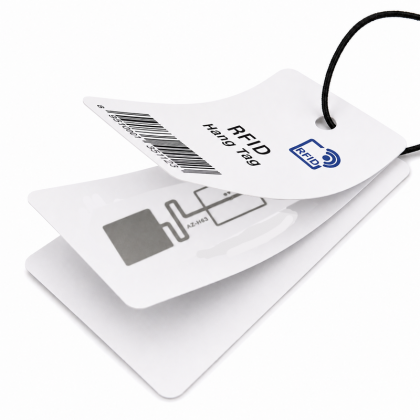
The G2 Handheld UHF RFID Reader is designed for fast, efficient, and accurate inventory management in retail stores, warehouses, and apparel businesses. Combining UHF RFID technology with a rugged, portable design, it enables users to quickly identify and track multiple RFID-tagged items without individual scanning. Ideal for stocktaking, goods receiving, inventory tracking, and warehouse operations, the G2 RFID Reader helps businesses reduce manual work, improve inventory visibility, and streamline daily workflows.
See More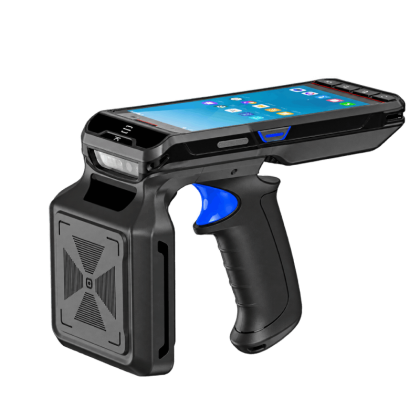
Mobile UHF RFID reader with 500+ tags/s, 10m+ range, barcode scanning, BLE 5.0 and a replaceable battery for retail and inventory. Notice: All products can be configured to comply with the local RFID frequency standards of the destination country or region. Please confirm the required frequency band before placing your quote.
See More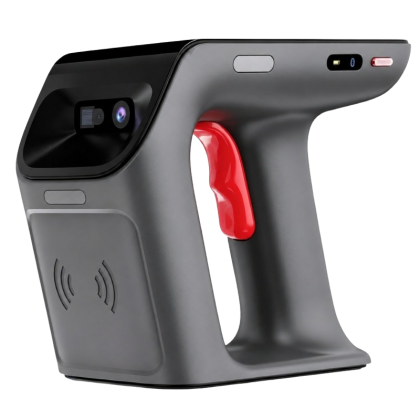
XT50 handheld RFID reader combines UHF RFID and barcode capture with Android 11 and a 9000mAh battery for retail, apparel and warehouse inventory.
See More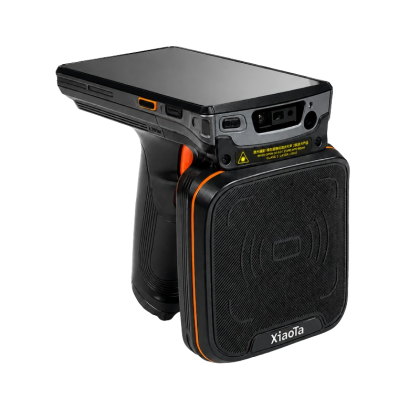
Ceiling-mounted RFID EAS system with direction detection, multi-tag reading and sound-light alarms for hypermarkets and retail brands. Notice: All products can be configured to comply with the local RFID frequency standards of the destination country or region. Please confirm the required frequency band before placing your quote.
See More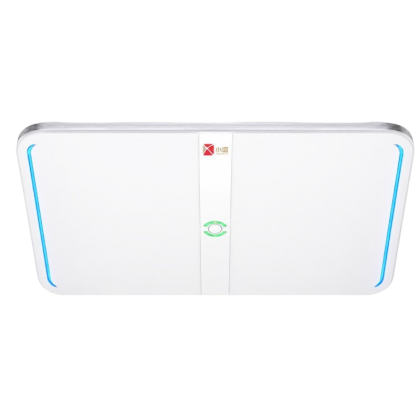
XTD4231 RFID EAS Gate connects item-level exit detection with visual and audible alarms for fashion retail loss prevention and store security.
See More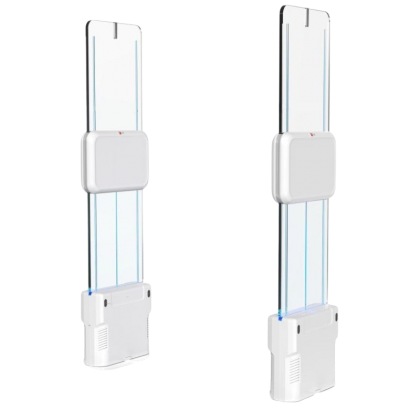
XT6R Exp RFID printer combines 600 dpi label printing, UHF encoding and optional verification for apparel, retail and industrial tagging workflows. Notice: All products can be configured to comply with the local RFID frequency standards of the destination country or region. Please confirm the required frequency band before placing your quote.
See More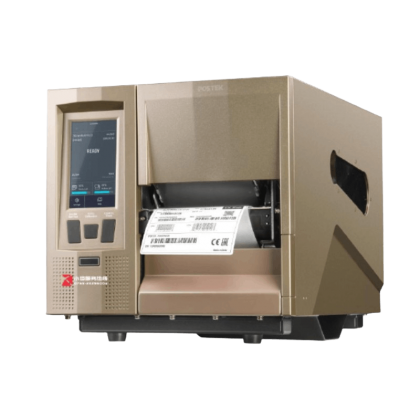
RFID software connects apparel inventory across factories, warehouses, stores and e-commerce through receiving, counting, transfer and shipping
See More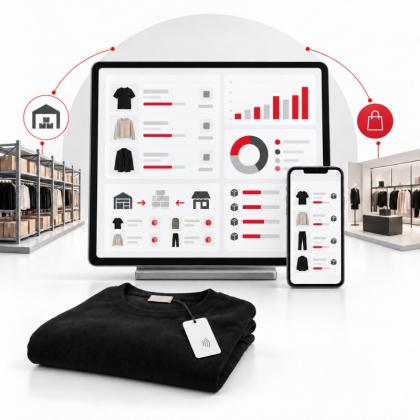
Track apparel samples by item, location and custodian with RFID-enabled check-in, handover, return, inventory counting and sample search.
See More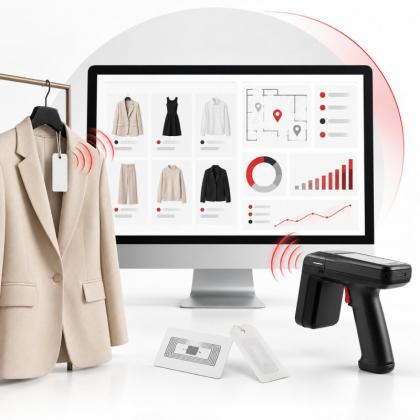
RFID Inventory Management Turn RFID Data into Reliable Inventory Control Xiaota RFID Inventory Management Software helps apparel brands and retailers identify individual items and manage RFID-enabled inventory workflows across stores and warehouses. It supports receiving, stocktaking, replenishment, transfers, picking and shipment verification with timely, item-level inventory visibility. Designed to work with your existing ERP, WMS, POS and e-commerce systems, the platform captures and validates RFID events and synchronizes inventory updates with your business processes. Its modular structure allows you to start with priority workflows and expand as operational needs grow. Identify · Update · Synchronize · Analyze Turn RFID Reads into Usable Inventory Data 01 Real-Time Stock Visibility View available inventory, EPC movements and product records from a connected platform instead of relying on disconnected spreadsheets. 02 Faster Inventory Operations Support batch receiving, inventory counting, transfer and shipment verification without scanning every item barcode individually. 03 Unified Omnichannel Inventory Connect inventory information used by fashion retail stores, warehouses, e-commerce and other sales channels. 04 Operational Analytics Use inventory, inbound, outbound, sales and product data to support replenishment and management decisions. Core RFID Inventory Management Modules Product & SKU Management Manage product attributes, categories, pricing information and SKU rules as the data foundation for item-level identification. Real-Time Inventory Query Search available inventory and related product files while monitoring inventory changes recorded through connected workflows. Warehouse Operations Support inbound receiving, outbound shipment, inventory counting, stock transfer, location management and related records. Omnichannel Inventory Connect inventory used by physical retail, e-commerce, wholesale and distribution processes for a more consistent stock view. Retail & POS Connection Connect retail transactions, product information and inventory activity to reduce the gap between sales and available stock. Analytics & Reports Review inventory, inbound and outbound activity, product performance, bestsellers, slow-moving items and operational results. Connected Workflow From EPC Identity to Inventory Decisions RFID item data becomes useful when each read is connected with a business process. Xiaota configures the software, hardware and workflow around the customer's receiving, inventory, transfer and fulfillment requirements. Software Functions in Practice Product Files and Real-Time Inventory Connect product records, SKU attributes and RFID identities, then query available inventory for daily retail and warehouse operations. EPC Receiving, Transfer and Shipping Record inventory movement through receiving, transfer and outbound processes so that physical stock activity is reflected in the system. Designed for Integration and Deployment Browser and Multi-Device Access Access the platform through browser-based clients and connect operational devices such as PCs, mobile devices and PDAs according to the project. Flexible Deployment Deployment can be planned around public cloud, private cloud or hybrid requirements, subject to the confirmed project scope. API and Third-Party Integration Use standardized interfaces to connect ERP, POS, e-commerce, membership, order and other business systems. Security and Scalability HTTPS, modular services, caching, message queues and scalable architecture support secure and expandable system implementation. Multilingual Support for International Projects The platform can support multilingual user interfaces, including Simplified Chinese, Traditional Chinese, English and Vietnamese. Language scope and terminology should be confirmed during implementation. Software + Hardware + Implementation Delivered as a Complete RFID Project Xiaota can evaluate the business process, configure the RFID inventory management software, select suitable RFID tags and readers, connect required systems, support deployment and provide implementation services. The final modules and interfaces are defined according to the customer's confirmed project scope. RFID Inventory Management FAQs What is RFID inventory management? RFID inventory management connects RFID item identities with inventory records and operational workflows. It helps businesses capture multiple tagged items and update receiving, counting, transfer or shipping data more efficiently. Can the software connect stores, warehouses and e-commerce? Yes. The platform is designed to support omnichannel inventory processes. The exact channels, data rules and interfaces are configured according to the project. Can it integrate with our ERP, POS or order system? Integration can be completed through available APIs or project-specific interfaces after the existing system, da...
See More

.jpg)

We understand the item-level operations behind apparel and retail—from source tagging and warehouse flows to store inventory and omnichannel fulfillment—so the RFID workflow is designed around the business, not just the hardware.

Xiaota coordinates RFID tags, devices, self-developed software, system integration, deployment and training as one connected project, helping reduce gaps between technology and daily operations.

From workflow assessment and on-site testing to user training and post-deployment service, our team supports system adoption and reliable day-to-day operation throughout the project lifecycle.


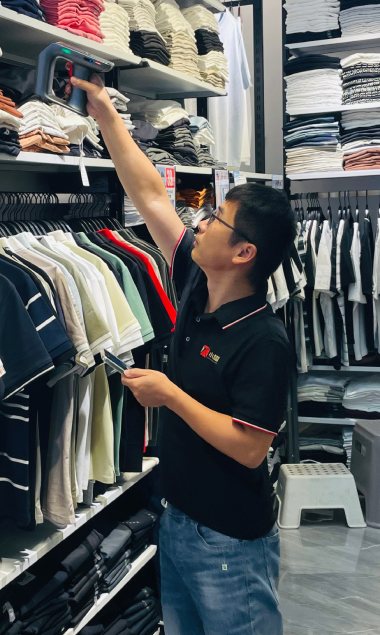
How RFID Helps Clothing Stores Keep the Right Sizes on the Sales Floor A garment can be in your store and still be unavailable to the customer. Better stock visibility helps your team close that gap. A customer picks up a jacket and asks for a medium. Your system shows two available, but neither is on the rail. A colleague checks the stockroom while the customer waits. The jacket may be there—but the sale now depends on finding it in time. This is a familiar problem in clothing retail. Having enough stock across the store does not mean the right sizes are ready on the sales floor. RFID inventory management can help teams check physical stock and turn those findings into a useful replenishment routine. Sales Floor: Medium missing. Check the displayed size range. Stockroom: Medium available. Verify the matching garment. Replenishment: Bring it forward. Refill, then confirm the move. Illustrative workflow: an available size needs to move from the stockroom to the sales floor. Why “in stock” is not always ready to sell Store totals hide important detail. A style may have ten units, yet the most requested size is missing from display. Stock can also sit in an unopened delivery, a returns area or the wrong section of the stockroom. Nedap describes this gap as merchandise that is in stock but absent from the sales floor. Its guidance also makes an important distinction: replenishing a store from a warehouse and refilling a display from the backroom are different jobs. For a fashion store, the question is therefore more specific than “How many do we have?” It is “Which styles and sizes should be on display, and which can we bring forward now?” Where manual replenishment falls short Walking the floor is useful, but missing sizes are easy to overlook during busy hours. A list of recent sales helps staff replace sold items, yet it does not explain every gap. A garment may have moved to a fitting room, been misplaced or never reached display. RFID adds another source of information: the tagged items physically present during a check. It supports the staff’s judgment rather than replacing the merchandising plan. How RFID supports a practical refill routine 1. Give each garment a linked identity Choose suitable RFID clothing tags and associate each item identity with its product record. The software needs the correct style, color and size mapping before a read can become useful stock information. 2. Check the sales floor and stockroom separately Use a planned counting process to record stock by area. Separate count tasks and suitable reader settings help staff avoid mixing nearby zones. A handheld read alone does not prove the exact location of every tag; zone boundaries and overlapping reads need to be tested. 3. Make a short, relevant refill list Compare the display requirements with available backroom stock. Focus on missing sizes and products that should currently be on sale. New collections awaiting l...
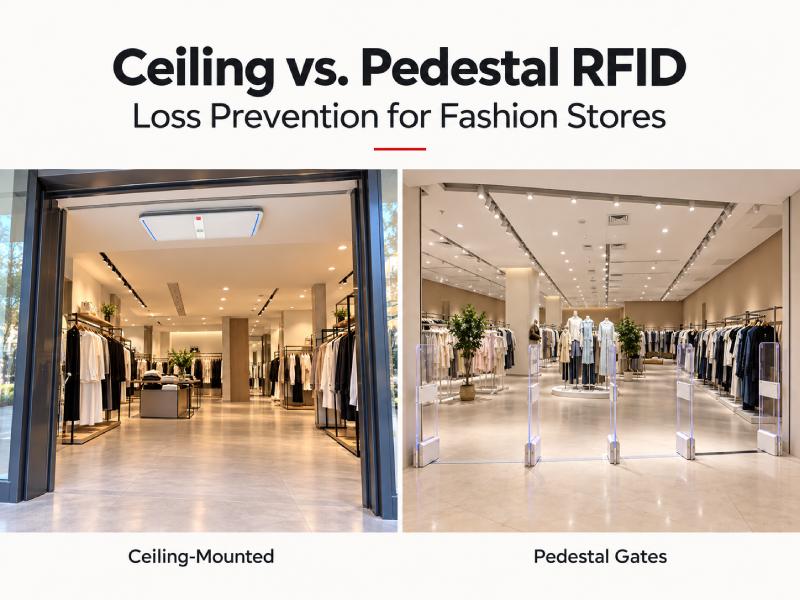
A customer walks out with a new jacket while another arrives with a stroller. Your entrance needs to welcome both—and help your team protect the stock. For fashion retailers, choosing an RFID anti-theft system means considering the doorway, the garments and the checkout process together. Two common options are ceiling-mounted readers and floor-mounted RFID gates. Both can identify tagged items, but they fit the store in different ways. What Is a Ceiling-Mounted RFID Anti-Theft System? A ceiling-mounted RFID reader monitors tagged merchandise from above the entrance. It keeps the floor clear, making it an option for retailers that want an open storefront and easy customer movement. The XTRFID XTD4121 RFID Ceiling Reader analyses tag phase trajectories to distinguish entry from exit. Its direction judgement does not require auxiliary infrared sensors, radar or AI cameras. Configurable EPC filters and alarm rules help connect detection with the store’s agreed loss-prevention workflow. Illustrative deployment of XTD4121 above a fashion store entrance. Generated scene based on the product reference. What Is a Pedestal RFID Gate? A pedestal RFID gate places upright antenna panels beside the passage. The hardware creates a visible security checkpoint and can suit store exits, stockroom doors or other defined movement points. The XTRFID XTD4231 RFID EAS Gate connects item-level event capture with compatible visual or audible alerts. Network and serial interfaces support connection to an agreed retail application. Its panels need floor space, so the installation must preserve a comfortable passage for shoppers and staff. Illustrative XTD4231 installation at a fashion store exit. Generated scene based on the product reference. Ceiling-Mounted vs. Pedestal RFID: A Quick Comparison Consideration Ceiling-mounted RFID Pedestal RFID gate Installation Above the entrance; requires suitable mounting and cabling. Beside the passage; requires floor positioning and fixation. Store appearance Keeps the entrance floor open. Creates a visible security checkpoint. Customer movement Leaves floor width available for access. Panel placement determines the clear passage width. Maintenance access May require safe access equipment. Hardware is accessible at floor level. Project planning Check ceiling height, mounting, nearby metal and detection zone. Check passage width, floor layout, nearby stock and detection zone. Does an Overhead Reader Always Perform Better? No installation style guarantees better detection. Tag placement, garment material, nearby displays, movement speed and reader settings all affect results. Both options should be tested with the tags and merchandise your store actually uses. RFID detection also needs useful business rules. When connected to POS or loss-prevention software, item identities can be checked against sold or authorised status. That result depends on the integration; the reader alone does not decide whether a garment has been pai...
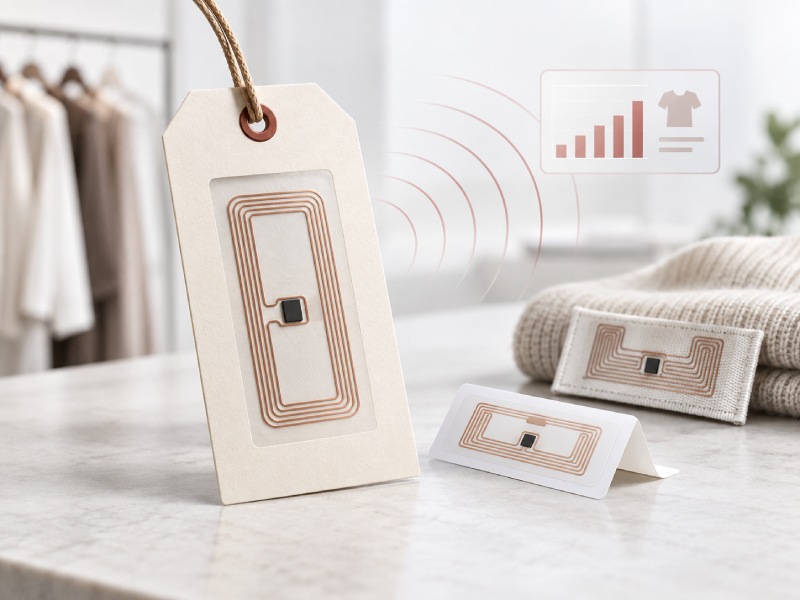
Imagine a customer finds the perfect jacket but needs another size. The sales associate checks the stockroom, the inventory screen and a nearby rack, yet no one is sure whether the item is available. For apparel teams, this small moment is familiar: one missing product record can mean a lost sale and a disappointed shopper. RFID clothing tags help connect the physical garment with a digital item identity. When tags, readers and software work together, brands can receive goods, count stock, locate products, verify shipments and support checkout with less repetitive scanning. The result is not simply faster work. It is greater confidence that the right item is in the right place when a customer wants it. In short: an RFID tag in clothing uses a small chip and antenna to give an individual garment a machine-readable identity. A compatible reader captures that identity with radio waves, while software connects it with product and inventory records. What Is an RFID Tag in Clothing? An apparel RFID tag is an identification device made from an integrated circuit, often called a chip, and an antenna. The chip carries an identifier. The antenna allows the tag to communicate with an RFID reader. These parts can be built into an adhesive label, a fashion hang tag, a sewn label or another garment-compatible construction. Most item-level retail programs use passive UHF RFID. A passive tag has no battery.It receives signals from the readers RF field. Sends back its identification information. Because a direct line of sight is not needed a compatible system can read tags on one garment at once so there is no need to show each barcode to the scanner one by one. The tag doesnt need to store every detail. It can simply link to a SKU, style, color, size order or individual item record in software. That connection is what makes RFID chips in clothing, for business operations. How Do RFID Clothing Tags Work? Give the garment an identity. The RFID tag is attached at the factory, warehouse or another controlled point and associated with the correct product record. Read the tag at a work point. Handheld RFID readers capture identifiers during the receiving, inventory, transfer, order verification, or checkout process.. Apply the business rule. RFID software decides what the read means, such as confirming a delivery, updating a count or checking an order. Share the result. Agreed interfaces can pass validated events to ERP, WMS, POS or e-commerce systems. Why Do Apparel Businesses Use RFID Tags? Faster Receiving and Inventory Counts Clothing assortments contain many similar styles, colours and sizes. RFID can capture multiple items without aligning the barcode on each tag. This helps warehouse and store teams reduce the time spent on duplicate scanning and inventory, and greatly improves work efficiency. More Confident Product Search and Replenishment When stock records are more current, staff can respond to shoppers with greater confidence. A requested size may b...
Leave A Message
Scan to wechat :