


Imagine a customer has his eye on a cloth, and then learns that the size is not actually there. The problem is more than a missed sale. It weakens trust in the brand. This was the risk facing a discount fashion retailer in China as its physical stores and digital sales channel grew together. The retailer needed a clearer view of every garment across receiving, storage, sales floors and transfers. Its goal was practical: make inventory data reliable enough for replenishment and omnichannel selling without adding more manual work for store teams. Retail format Multi-brand fashion stores Primary goal Trusted omnichannel stock Core workflow Item-level RFID tracking Reported result Over 99.9% accuracy Three Problems Behind the Stock Gap 01 One item, two sales channels Store and online orders relied on the same stock. Delayed updates could create overselling or hidden availability. 02 Too many style-size-color variants High SKU complexity made manual counting slow and made small inventory errors harder to find. 03 Disconnected operational data ERP, POS, warehouse and digital-order records did not always describe the same physical reality. A Simple RFID Inventory Management Workflow The rollout linked each garment's physical movement with its digital record. The technology mattered, but the real value came from using the same item identity at every important handoff. STEP 1 Identify Assign one RFID identity to each garment. STEP 2 Capture Read items at receiving, transfer, counting and shipping. STEP 3 Synchronize Connect RFID events with ERP, POS and WMS records. STEP 4 Act Use exceptions to guide replenishment and stock correction. What Changed >99.9% Reported inventory accuracy in the original public deployment. More reliable availability Teams gained a stronger basis for deciding what could be sold online or found in store. Better replenishment signals Item-level data helped reveal shelf gaps and support regional stock movement. Start With One Measurable Workflow A practical retail RFID solution does not need to begin with every store and every process. Start with receiving, cycle counting or replenishment. Prove the data quality, connect it with your existing systems, and then expand. XTRFID can support an apparel inventory management workflow with RFID tags, handheld readers and software integration based on the retailer's operational requirements. Explore the XT50 RFID Reader Notice: UHF RFID hardware can be configured to support the applicable local frequency standard. This anonymized article is based on a publicly documented apparel retail deployment. The reported accuracy belongs to that deployment; actual results depend on workflow design, data quality and implementation conditions.
Read More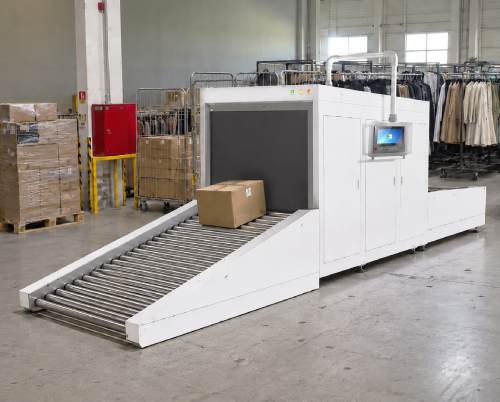
Customer Case Study How a Fashion Brand Built Faster, More Accurate Warehouse Operations with RFID An end-to-end project spanning source tagging, quality control, warehouse operations, returns and item-level traceability. At a glance: Xiaota connected RFID tags, devices, software integration and warehouse workflows to improve receiving, shipping, returns and traceability for a fashion brand. The Client and Project Context The client was a fashion brand operating a supplier-to-warehouse workflow that covered new-product tagging, external quality control, inbound receiving, outbound fulfillment, consumer returns, vendor returns and legacy inventory. The brand needed a single item-level identification method that could connect these processes without forcing warehouse teams to scan every garment one by one. To protect confidentiality, the customer's name and identifying details are not disclosed in this case study. The Business Challenges Slow receiving: Inbound teams needed a faster way to receive complete cartons while maintaining accuracy. Outbound risk: The project required accurate order verification before parcels left the warehouse, with a target of 100% shipping accuracy. Complex returns: Teams needed to process consumer returns more efficiently and trace items even when an order reference was unavailable. Limited traceability: The brand wanted to link each item to its supplier, purchase order, production batch, quality-control record and sales order. Legacy stock: Existing inventory also needed a practical path to RFID identification without disrupting normal operations. The RFID Solution Xiaota designed an integrated RFID workflow combining item-level tags, three types of RFID devices, application functions and interfaces to the brand's existing ERP and warehouse management environment. 1. Item-Level RFID Tagging New merchandise used RFID hang tags. Xiaota processed the required tag data by purchase order and supported distribution to suppliers, allowing the RFID identity to be attached before products entered the warehouse flow. Each RFID identity then served as the foundation for later receiving, quality-control, shipping and traceability records. 2. Devices Matched to Each Workflow RFID tunnel reader: Used for full-carton data capture during inbound receiving and vendor returns. In the documented workflow, a carton scan typically took about 30 to 60 seconds. RFID scanning platform: Used for item or parcel verification during outbound shipping and consumer-return processing. Handheld RFID reader: Used for external quality control, item finding, stocktaking, receiving, put-away, stock movement and product traceability. RFID tunnel reader selected for bulk carton scanning. 3. ERP and WMS Integration API and hardware interfaces synchronized master data and operational documents, including product records, supplier data, purchase orders and inbound orders. The integrated workflow retrieved documents, returned scan results and recorded each o...
Read MoreLeave A Message
Scan to wechat :