
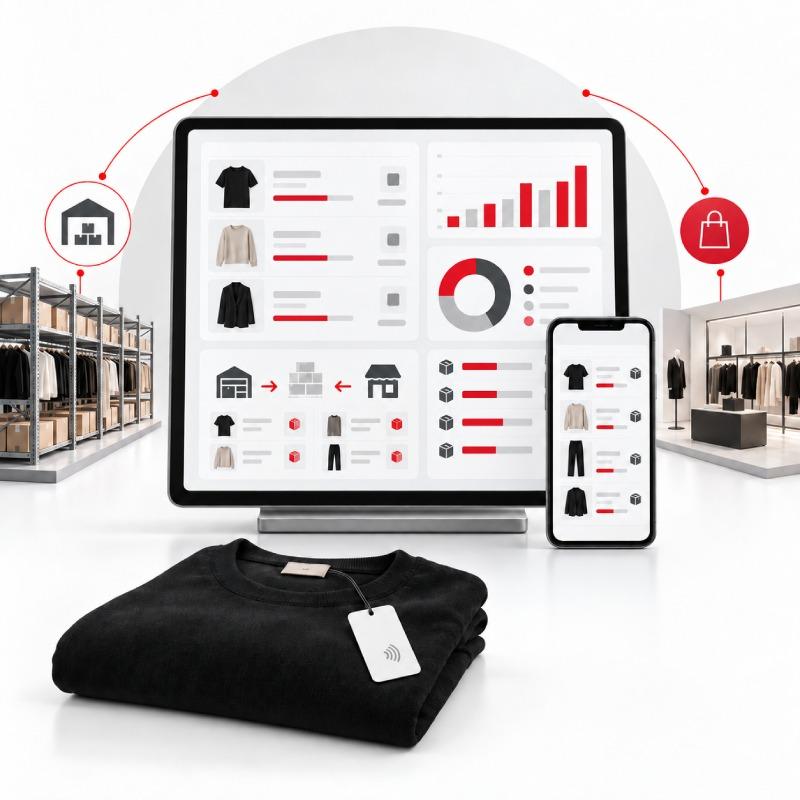
RFID software connects apparel inventory across factories, warehouses, stores and e-commerce through receiving, counting, transfer and shipping
RFID Software for Apparel Inventory
Xiaota RFID Inventory Management Software connects item-level product identities with receiving, stocktaking, transfer, replenishment, order fulfillment and shipping workflows. Apparel brands can build a more consistent inventory view across factories, warehouses, retail stores and e-commerce operations.
| Item-level visibilityConnect each EPC with its product and SKU record. | Batch operationsCapture multiple tagged items without barcode-by-barcode handling. | Connected channelsSupport stores, warehouses, wholesale and e-commerce. | Operational insightTurn inventory movements into reports and decisions. |
|
Inventory Management Challenges Inventory Exists in the System. Reality Moves Faster.Manual counts, delayed updates and disconnected systems create gaps between physical stock and available inventory. In fashion, fast SKU turnover and inventory movement across multiple channels make those gaps especially costly. |
|
Management Value
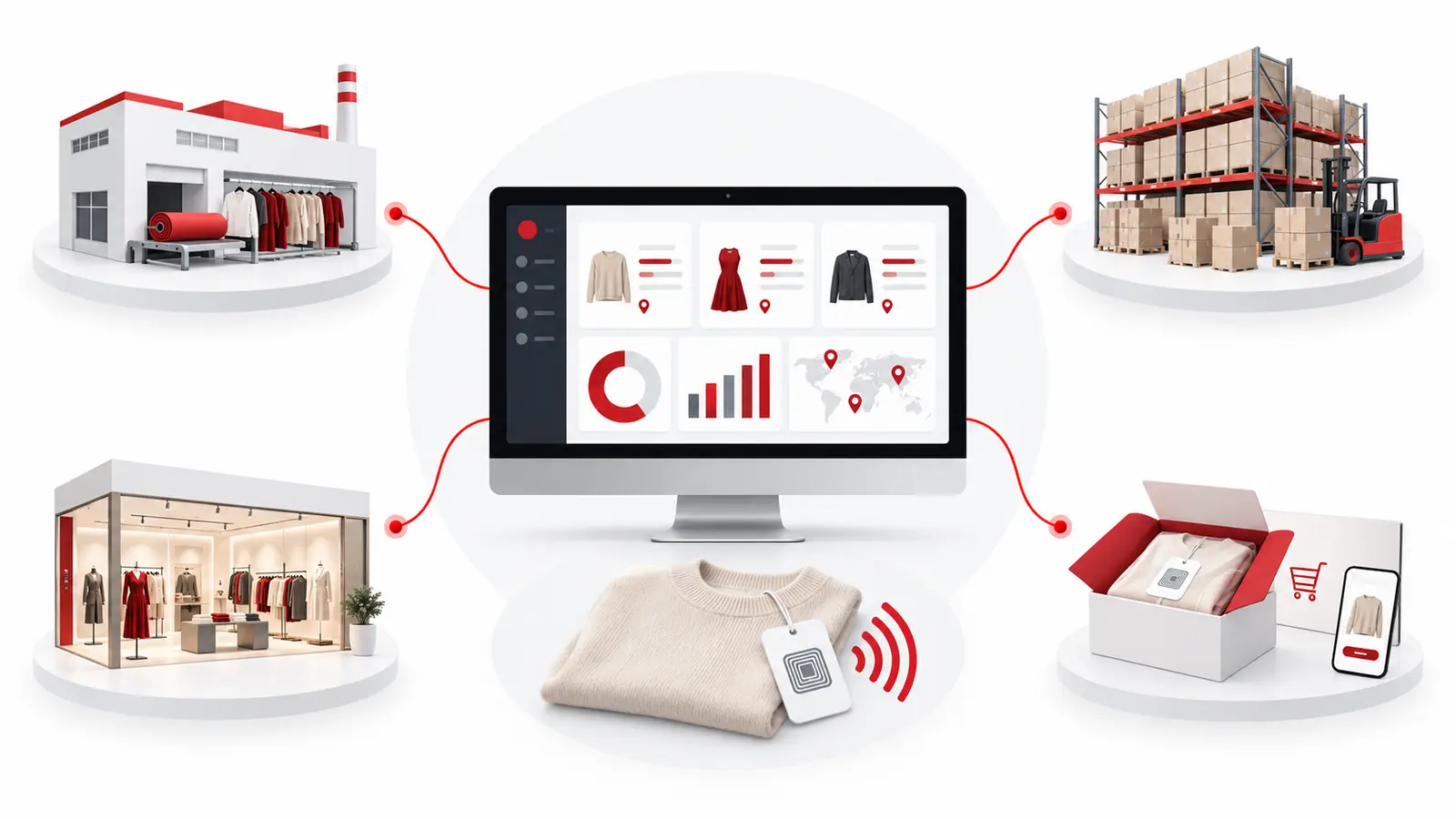
| 01See inventoryQuery product, SKU, EPC, quantity, status and location data from one platform. | 02Move inventoryConnect physical receiving, transfer, replenishment, picking and shipment activity. | 03Synchronize stockShare more consistent inventory data with ERP, WMS, POS and e-commerce systems. | 04Act on dataUse discrepancy, availability and movement reports to guide daily decisions. |
System Structure
The platform becomes useful when product data, RFID item identities, field devices and enterprise applications follow the same inventory rules.
| Product dataProduct files, categories, SKU attributes and related inventory rules. | RFID identityA unique EPC connects each tagged item with its digital record. | RFID devicesHandheld readers, fixed readers, scanning stations, printers and portals. | Business systemsERP, WMS, POS, order, membership and e-commerce platforms. |
RFID frequency notice: Supported RFID devices can be configured to comply with applicable local frequency regulations and standards.
Connected Workflow
RFID reads are linked with defined business transactions so that physical inventory movement can update operational records and support downstream decisions.
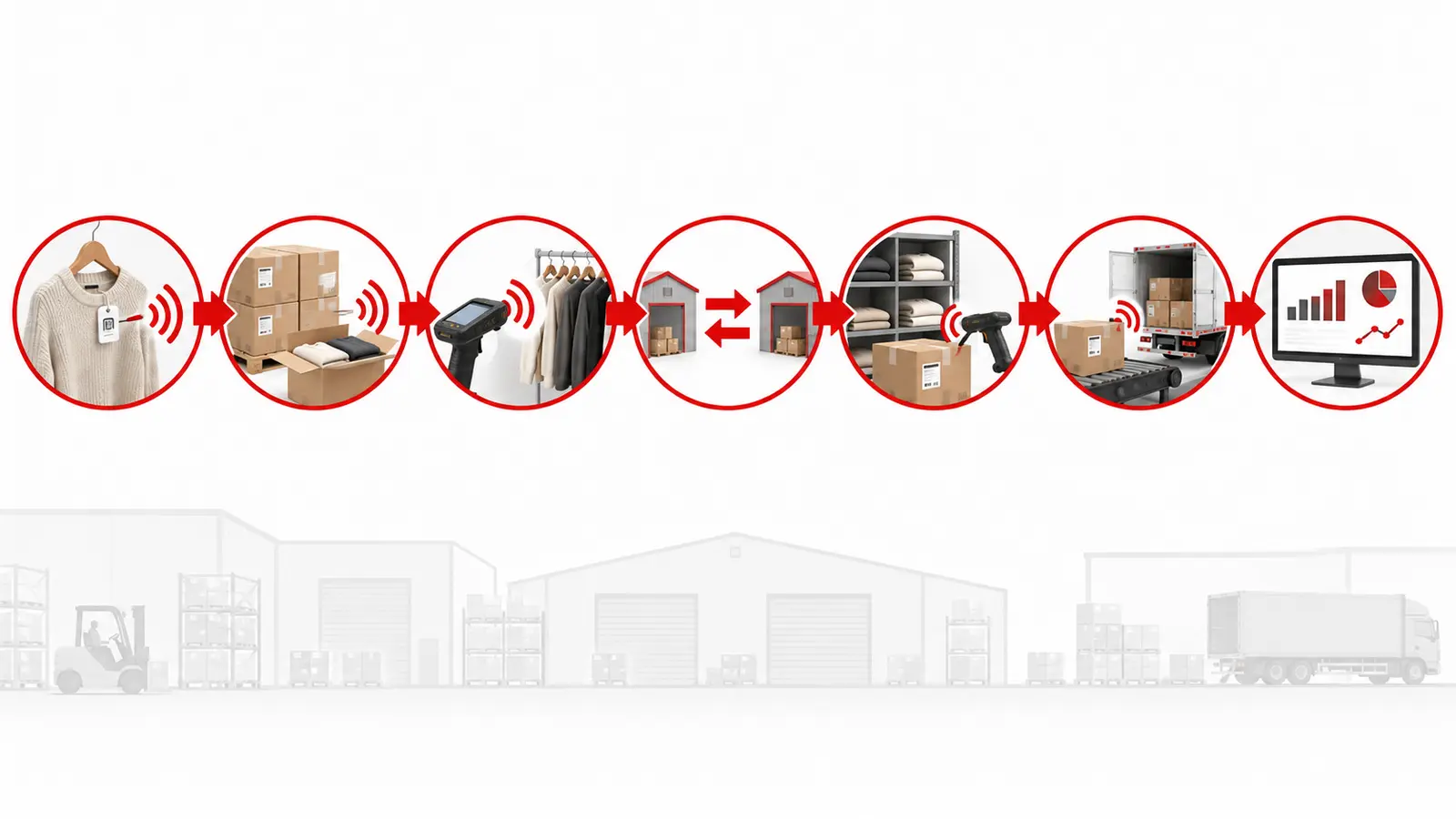
| 01 | Identify | Bind the RFID EPC with the correct product and SKU information. |
| 02 | Receive | Capture inbound items in batches and compare them with expected records. |
| 03 | Count | Run full, cycle or spot counts and identify missing or unexpected items. |
| 04 | Transfer | Record stock movement between warehouses, stores, zones or business units. |
| 05 | Pick and replenish | Use current inventory information to support picking and store replenishment. |
| 06 | Verify shipment | Compare outbound RFID reads with the order or shipping task before dispatch. |
| 07 | Analyze | Review inventory status, movement, discrepancy and operational reports. |
Software Modules
| Factory and source taggingProduct and SKU data · RFID tag encoding · item binding · packing records · quality-related data · production-to-warehouse handover | Warehouse operationsReceiving · shipping · stocktaking · transfer · location records · picking · packing verification · returns processing |
| Retail store inventoryStore receiving · full/cycle/spot count · item search · replenishment · stock transfer · POS inventory updates · returns | Inventory analyticsInventory status · inbound/outbound activity · discrepancy reports · product performance · bestseller and slow-moving inventory analysis |
Software Functions in Practice
| Product and SKU managementMaintain product attributes, categories, SKU information and RFID identities. | Real-time inventory querySearch available inventory by product, SKU, EPC, status or operational location. | EPC receiving and shippingConnect batch RFID capture with inbound, outbound and verification tasks. |
| Stocktaking and discrepancyCompare expected and captured records to identify missing, unexpected or misplaced items. | Omnichannel inventoryProvide more consistent availability data for stores, e-commerce, wholesale and fulfillment. | Reports and dashboardsReview inventory, movements, product performance and operating results. |
Deployment and Integration
| Browser and device accessConnect browser clients, PCs, supported mobile devices and RFID handhelds. | Flexible deploymentPlan public-cloud, private-cloud or hybrid deployment according to project needs. | API integrationConnect ERP, WMS, POS, e-commerce and other systems through confirmed interfaces. | Multilingual operationConfigure supported interface languages and terminology for international projects. |
Available modules, deployment architecture, languages and third-party interfaces are confirmed according to the customer's existing systems and project scope. System integration may require additional development.
Application Scenarios
| Fashion brandsConnect item data and inventory workflows from source tagging to retail. | Retail storesImprove receiving, counting, item search, replenishment and transfers. | WarehousesSupport inbound, outbound, stocktaking, picking and shipment verification. | E-commerce and wholesaleUse synchronized inventory to support order fulfillment and distribution. |
End-to-End Delivery
Xiaota can evaluate existing inventory processes, configure the RFID software, select suitable RFID tags and readers, connect required systems, support deployment and provide operational training. The final solution is defined around the customer's confirmed workflows rather than forcing every project into the same configuration.
FAQ
Tell us how inventory currently moves between factories, warehouses, stores and online channels. We will help define the RFID workflow, software modules, devices and integration scope.
Contact Enginner
RFID Inventory Management Turn RFID Data into Reliable Inventory Control Xiaota RFID Inventory Management Software helps apparel brands and retailers identify individual items and manage RFID-enabled inventory workflows across stores and warehouses. It supports receiving, stocktaking, replenishment, transfers, picking and shipment verification with timely, item-level inventory visibility. Designed to work with your existing ERP, WMS, POS and e-commerce systems, the platform captures and validates RFID events and synchronizes inventory updates with your business processes. Its modular structure allows you to start with priority workflows and expand as operational needs grow. Identify · Update · Synchronize · Analyze Turn RFID Reads into Usable Inventory Data 01 Real-Time Stock Visibility View available inventory, EPC movements and product records from a connected platform instead of relying on disconnected spreadsheets. 02 Faster Inventory Operations Support batch receiving, inventory counting, transfer and shipment verification without scanning every item barcode individually. 03 Unified Omnichannel Inventory Connect inventory information used by fashion retail stores, warehouses, e-commerce and other sales channels. 04 Operational Analytics Use inventory, inbound, outbound, sales and product data to support replenishment and management decisions. Core RFID Inventory Management Modules Product & SKU Management Manage product attributes, categories, pricing information and SKU rules as the data foundation for item-level identification. Real-Time Inventory Query Search available inventory and related product files while monitoring inventory changes recorded through connected workflows. Warehouse Operations Support inbound receiving, outbound shipment, inventory counting, stock transfer, location management and related records. Omnichannel Inventory Connect inventory used by physical retail, e-commerce, wholesale and distribution processes for a more consistent stock view. Retail & POS Connection Connect retail transactions, product information and inventory activity to reduce the gap between sales and available stock. Analytics & Reports Review inventory, inbound and outbound activity, product performance, bestsellers, slow-moving items and operational results. Connected Workflow From EPC Identity to Inventory Decisions RFID item data becomes useful when each read is connected with a business process. Xiaota configures the software, hardware and workflow around the customer's receiving, inventory, transfer and fulfillment requirements. Software Functions in Practice Product Files and Real-Time Inventory Connect product records, SKU attributes and RFID identities, then query available inventory for daily retail and warehouse operations. EPC Receiving, Transfer and Shipping Record inventory movement through receiving, transfer and outbound processes so that physical stock activity is reflected in the system. Designed for Integration and Deployment Browser and Multi-Device Access Access the platform through browser-based clients and connect operational devices such as PCs, mobile devices and PDAs according to the project. Flexible Deployment Deployment can be planned around public cloud, private cloud or hybrid requirements, subject to the confirmed project scope. API and Third-Party Integration Use standardized interfaces to connect ERP, POS, e-commerce, membership, order and other business systems. Security and Scalability HTTPS, modular services, caching, message queues and scalable architecture support secure and expandable system implementation. Multilingual Support for International Projects The platform can support multilingual user interfaces, including Simplified Chinese, Traditional Chinese, English and Vietnamese. Language scope and terminology should be confirmed during implementation. Software + Hardware + Implementation Delivered as a Complete RFID Project Xiaota can evaluate the business process, configure the RFID inventory management software, select suitable RFID tags and readers, connect required systems, support deployment and provide implementation services. The final modules and interfaces are defined according to the customer's confirmed project scope. RFID Inventory Management FAQs What is RFID inventory management? RFID inventory management connects RFID item identities with inventory records and operational workflows. It helps businesses capture multiple tagged items and update receiving, counting, transfer or shipping data more efficiently. Can the software connect stores, warehouses and e-commerce? Yes. The platform is designed to support omnichannel inventory processes. The exact channels, data rules and interfaces are configured according to the project. Can it integrate with our ERP, POS or order system? Integration can be completed through available APIs or project-specific interfaces after the existing system, da...
View More
Track apparel samples by item, location and custodian with RFID-enabled check-in, handover, return, inventory counting and sample search.
View More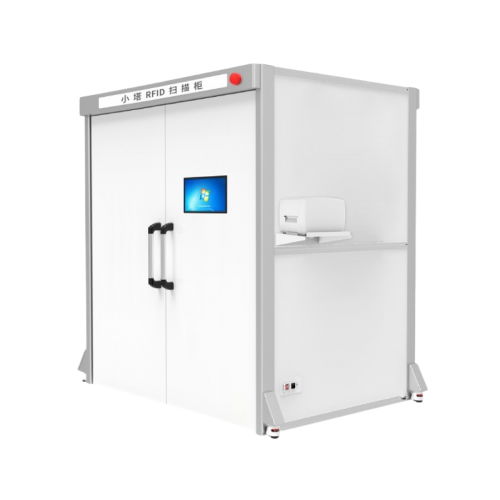
XTC6201 RFID reader delivers fast, shielded batch identification for apparel receiving, shipping and warehouse inventory using full-size carts. Notice: All products can be configured to comply with the local RFID frequency standards of the destination country or region. Please confirm the required frequency band before placing your quote.
View More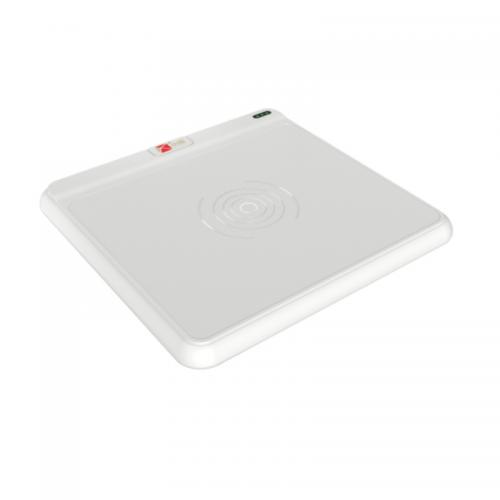
The XTS2001 is a compact UHF RFID POS Reader designed specifically for multi-item checkout in fashion retail stores. Instead of scanning each garment barcode individually, cashiers can place multiple RFID-tagged items on the reader and capture them together. The reader connects with an external POS through Type-C and supports USB cursor-style output as well as SDK and API integration. Its slim countertop design allows retailers to add RFID checkout to an existing cashier station without turning the counter into a large self-checkout kiosk.
View More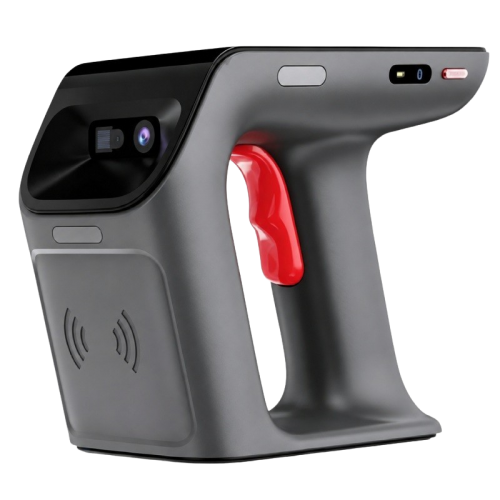
Mobile UHF RFID reader with 500+ tags/s, 10m+ range, barcode scanning, BLE 5.0 and a replaceable battery for retail and inventory. Notice: All products can be configured to comply with the local RFID frequency standards of the destination country or region. Please confirm the required frequency band before placing your quote.
View More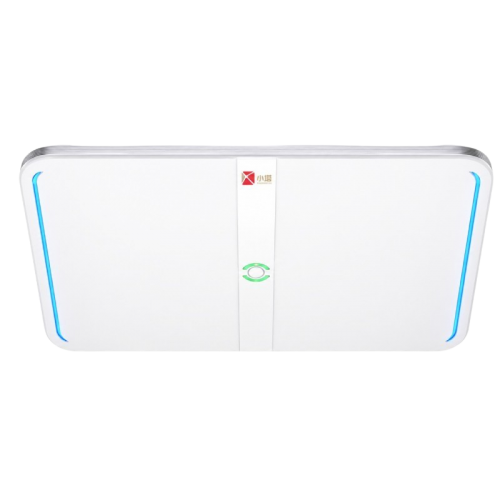
Ceiling-mounted RFID EAS system with direction detection, multi-tag reading and sound-light alarms for hypermarkets and retail brands. Notice: All products can be configured to comply with the local RFID frequency standards of the destination country or region. Please confirm the required frequency band before placing your quote.
View MoreLeave A Message
Scan to wechat :