
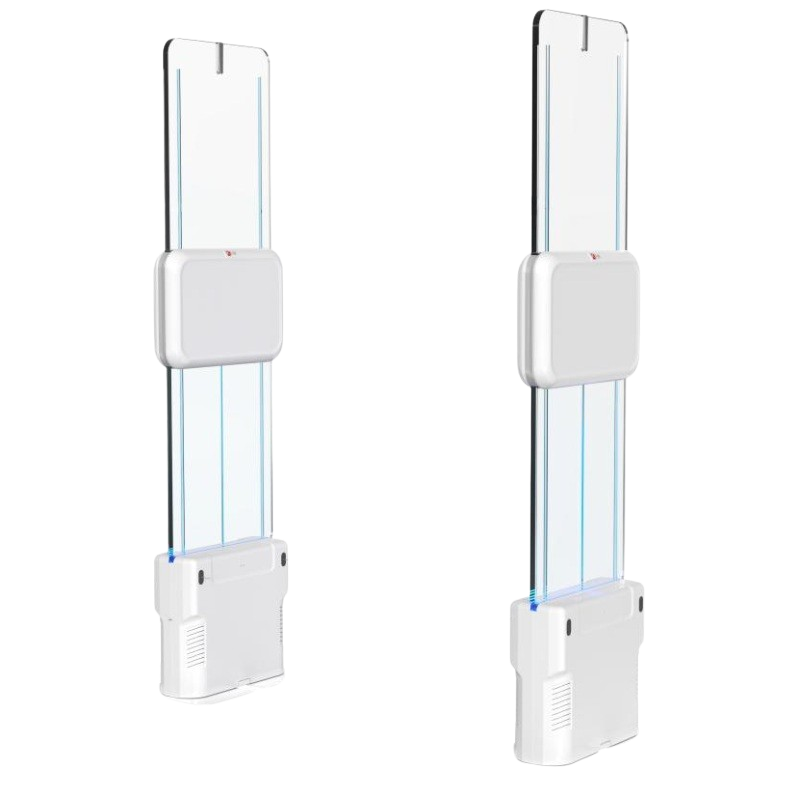
XTD4231 RFID EAS Gate connects item-level exit detection with visual and audible alarms for fashion retail loss prevention and store security.
Use RFID item identities as the data foundation for exit detection, event records and connected loss-prevention workflows.
Connect through RJ45, RS232 or RS485, with Wi-Fi, 4G and PoE available according to the selected configuration.
Eight strong-drive outputs can directly support indicator lights, alarms and other compatible low-current peripherals.
Modbus, HID, HTTP, HTTPS, MQTT and TCP support different device-control and business-system integration approaches.
Traditional EAS alarms indicate that an event occurred. A connected RFID EAS Gate can also provide item identities to the agreed retail application, helping store teams understand which tagged products were involved and respond with clearer information.

XTD4231 can serve as the physical checkpoint inside a broader RFID loss prevention retail workflow. The exact business rules are configured during integration.
RFID-tagged merchandise enters the configured detection point.
The RFID reader supplies captured tag data to the connected application.
Configured software evaluates the event against agreed transaction or movement rules.
The system records the event or activates a compatible visual or audible alert.
The XTD4231 can be configured for RFID retail and apparel logistics environments where tagged-item movement must be connected with a business event or alarm response.
Connect exit events with item-level data and the agreed store alarm workflow.
Monitor tagged products moving through staff-only or stockroom access points.
Use a fixed passage point to support movement verification in apparel logistics.
Link tagged-item passage with agreed access, alert or operational rules.
XTD4231 supports both network and serial communication, allowing the installation to be planned around the available store infrastructure. Optional Wi-Fi, 4G and PoE provide additional choices when cabling or deployment conditions differ between locations.
Xiaota can support device configuration, software connection, workflow testing and on-site deployment as part of a complete RFID EAS system project.
Xiaota provides retail RFID solutions for apparel and fashion businesses, combining RFID tags, readers, software, system integration, workflow testing and on-site deployment. We configure the XTD4231 around the entrance layout, tag specification, alarm logic and existing business systems instead of treating the gate as standalone hardware.
| Parameter | Specification |
|---|---|
| PRODUCT | |
| Product Model | XTD4231 |
| Product Type | RFID EAS Gate / connected item-movement checkpoint |
| Dimensions | 1505 × 300 × 130 mm |
| COMMUNICATION AND CONTROL | |
| Communication Interfaces | RJ45 10/100 Mbps; RS232 9600-230400 bps; RS485 19200-230400 bps |
| Optional Connectivity | Wi-Fi 2.4G; 4G; PoE IEEE 802.3af / 802.3at |
| Supported Protocols | Modbus, HID, HTTP, HTTPS, MQTT, TCP |
| Indicators | Green power indicator; red status indicator |
| GPIO | 4 inputs; 8 strong-drive outputs, up to 250 mA sink current per output |
| POWER | |
| Power Input | 9-24V DC; standard adapter 12V/2A |
| PoE Power | Compatible with IEEE 802.3af / 802.3at |
| Power Consumption | Standby 1.76W; operating 16.2W; interface board operating 0.7W |
| PoE Load Capability | Up to 25.1W under 802.3at; performance may vary by PoE switch and cable |
| OPERATING ENVIRONMENT AND SAFETY | |
| Operating Temperature | -25°C to +65°C |
| Storage Temperature | -40°C to +85°C |
| Humidity | 5%-95% RH, non-condensing |
| Adapter ESD / Surge | Air discharge 8 kV; contact discharge 6 kV; surge immunity 4 kV |
| Board ESD | Contact discharge 8 kV |
Optional communication and power configurations must be confirmed before ordering. RFID reading performance depends on the selected radio module, antenna configuration, tags, entrance layout and surrounding environment.
Traditional EAS systems normally indicate that a protected item triggered an alarm. An RFID-based workflow can also supply the identity of the tagged item to connected software, depending on the selected tags and system configuration.
Yes. The device provides eight strong-drive outputs that can support compatible indicator lights, alarms and other peripherals. Electrical requirements should be confirmed during project configuration.
Standard interfaces include RJ45, RS232 and RS485. Wi-Fi, 4G and PoE are optional according to the required configuration.
The gate supports multiple communication protocols and can supply device or RFID event data to an agreed application. Final POS, inventory or loss-prevention integration depends on the project interface and business rules.
Yes. Xiaota can support tag and device selection, entrance assessment, system integration, pilot testing, installation, staff training and ongoing technical service according to the agreed project scope.
Tell us your entrance width, store layout, RFID tag specification, existing POS or retail system, required alarm method and deployment scale. Xiaota can help define the gate configuration, integration requirements and pilot-testing plan.
Contact Us for an RFID EAS Solution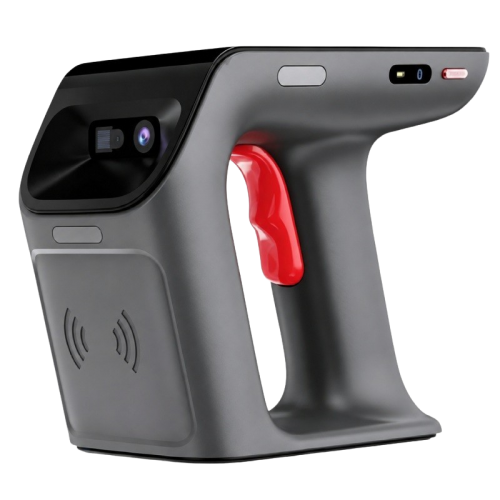
Mobile UHF RFID reader with 500+ tags/s, 10m+ range, barcode scanning, BLE 5.0 and a replaceable battery for retail and inventory. Notice: All products can be configured to comply with the local RFID frequency standards of the destination country or region. Please confirm the required frequency band before placing your quote.
View More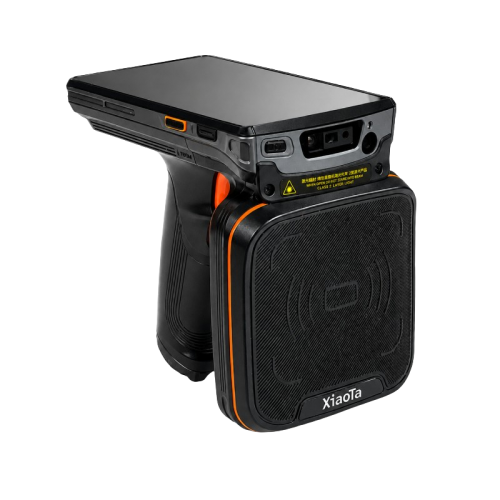
XT50 handheld RFID reader combines UHF RFID and barcode capture with Android 11 and a 9000mAh battery for retail, apparel and warehouse inventory.
View More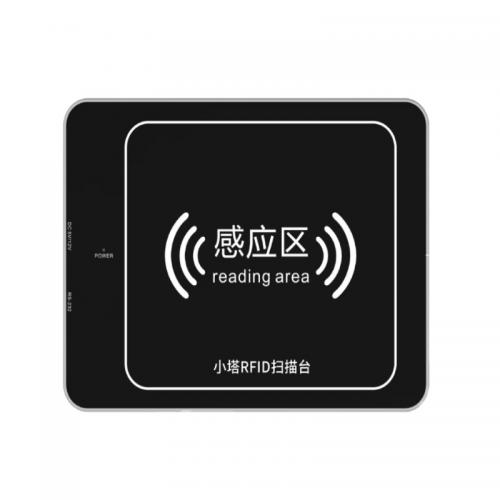
XTS2002 is a near-field UHF RFID reader for fast retail checkout, receiving, shipping verification and inventory management.
View More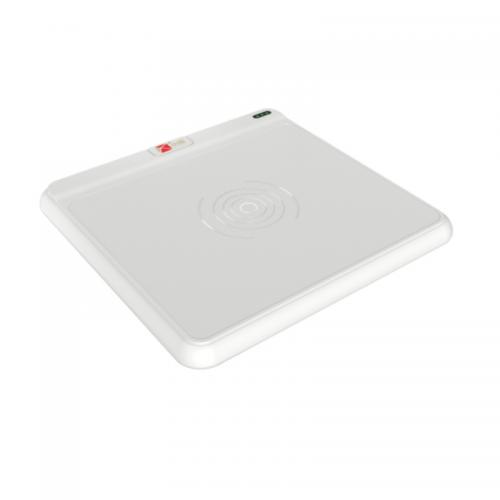
The XTS2001 is a compact UHF RFID POS Reader designed specifically for multi-item checkout in fashion retail stores. Instead of scanning each garment barcode individually, cashiers can place multiple RFID-tagged items on the reader and capture them together. The reader connects with an external POS through Type-C and supports USB cursor-style output as well as SDK and API integration. Its slim countertop design allows retailers to add RFID checkout to an existing cashier station without turning the counter into a large self-checkout kiosk.
View More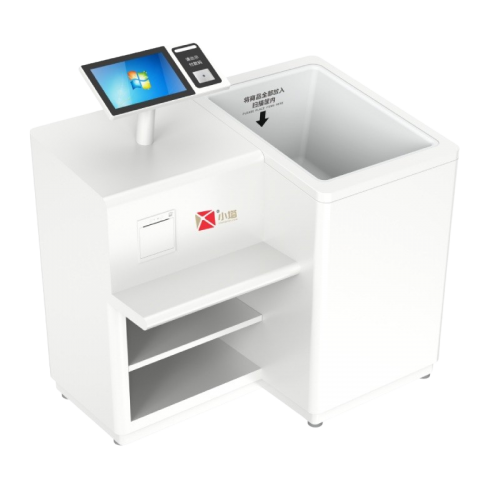
Speed up multi-item apparel checkout with the XTZ3201 RFID Self Checkout Kiosk, featuring UHF batch reading, POS integration and self-service payment.
View More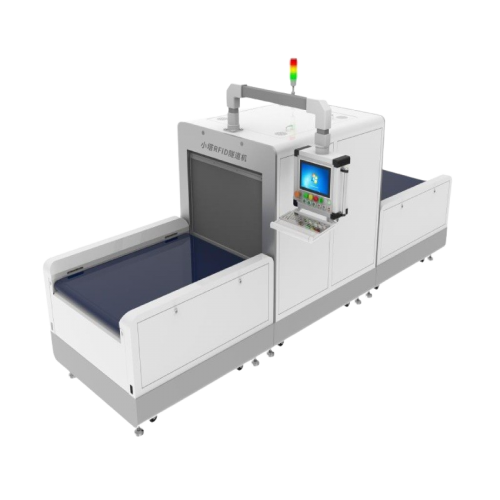
Automate apparel warehouse counting and shipment verification with the XTC6101 RFID Tunnel Reader, reading 400+ tagged items in 3 seconds. Notice: All products can be configured to comply with the local RFID frequency standards of the destination country or region. Please confirm the required frequency band before placing your quote.
View MoreLeave A Message
Scan to wechat :