Place the Items
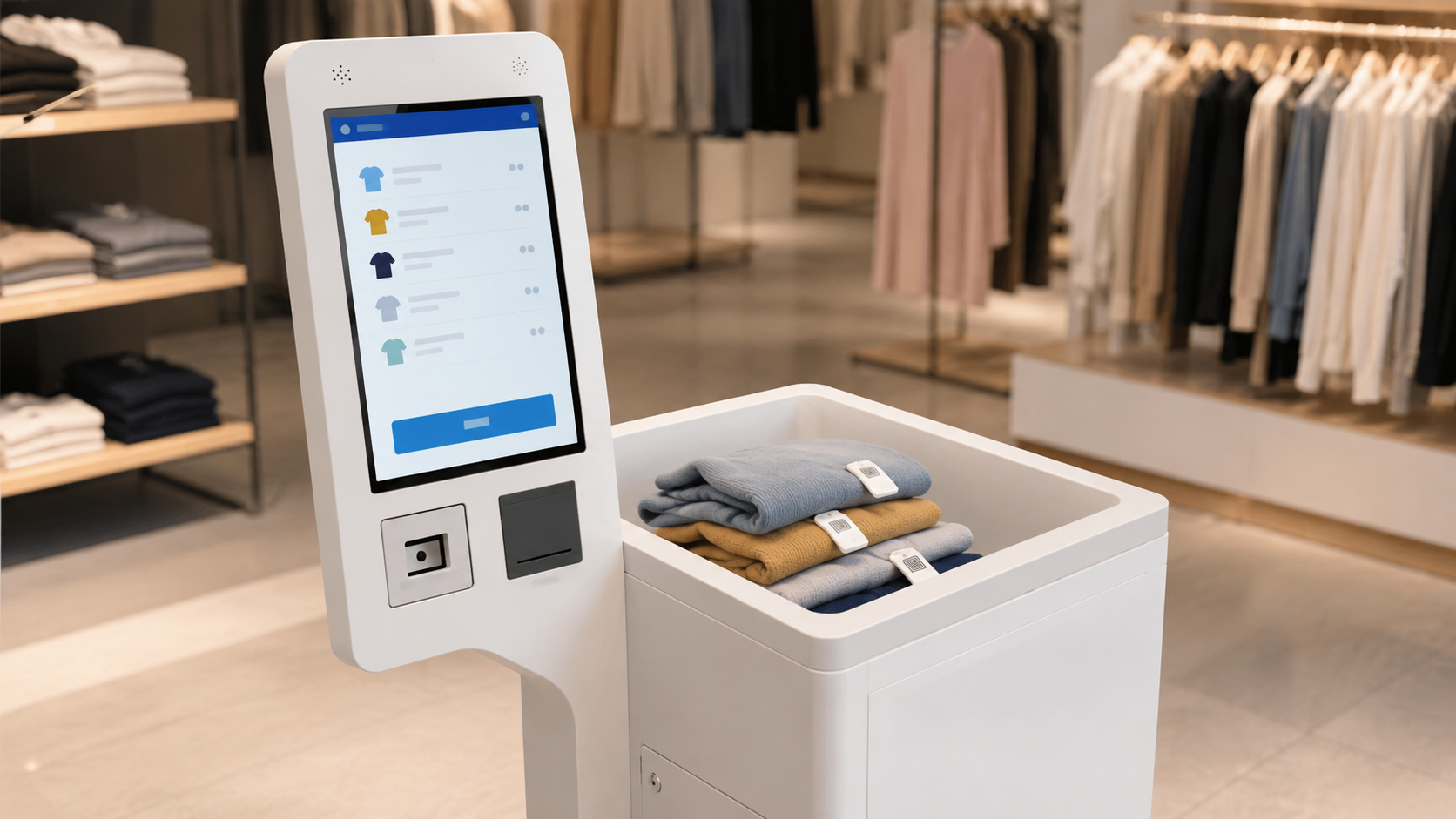
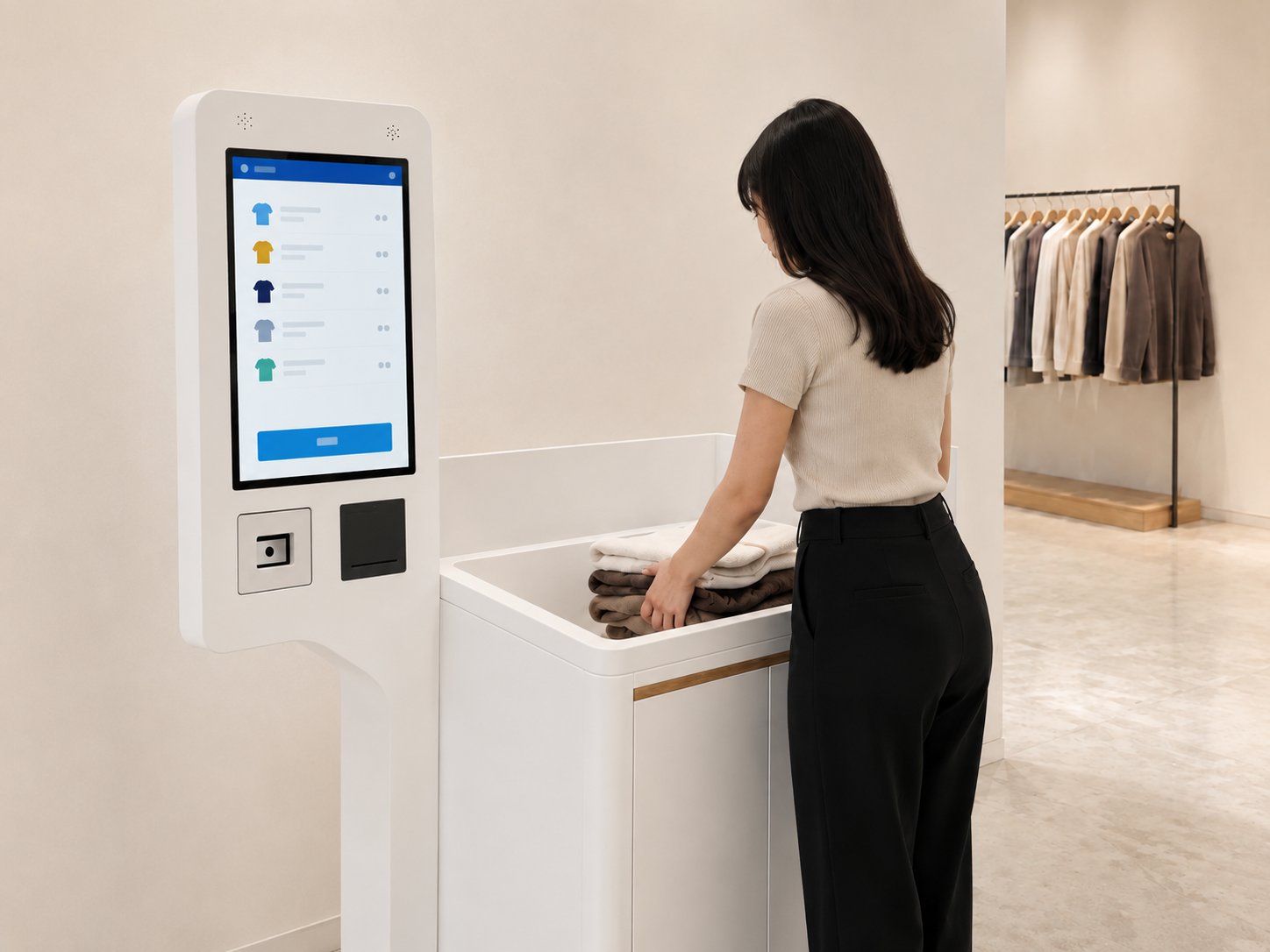
Put the selected RFID-tagged garments together inside the reading bin.

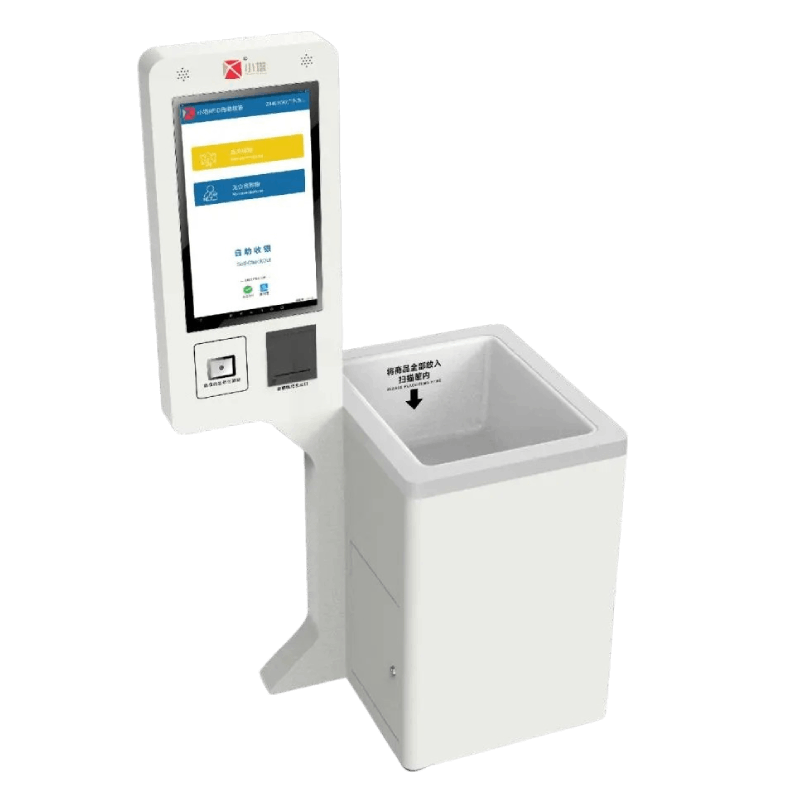
XTZ3101 RFID kiosk reads 20+ tagged garments in 1–2 seconds and connects with retail POS systems for faster apparel self checkout.
Notice: All products can be configured to comply with the local RFID frequency standards of the destination country or region. Please confirm the required frequency band before placing your quote.
XZ3101 · UHF RFID Self Checkout Kiosk
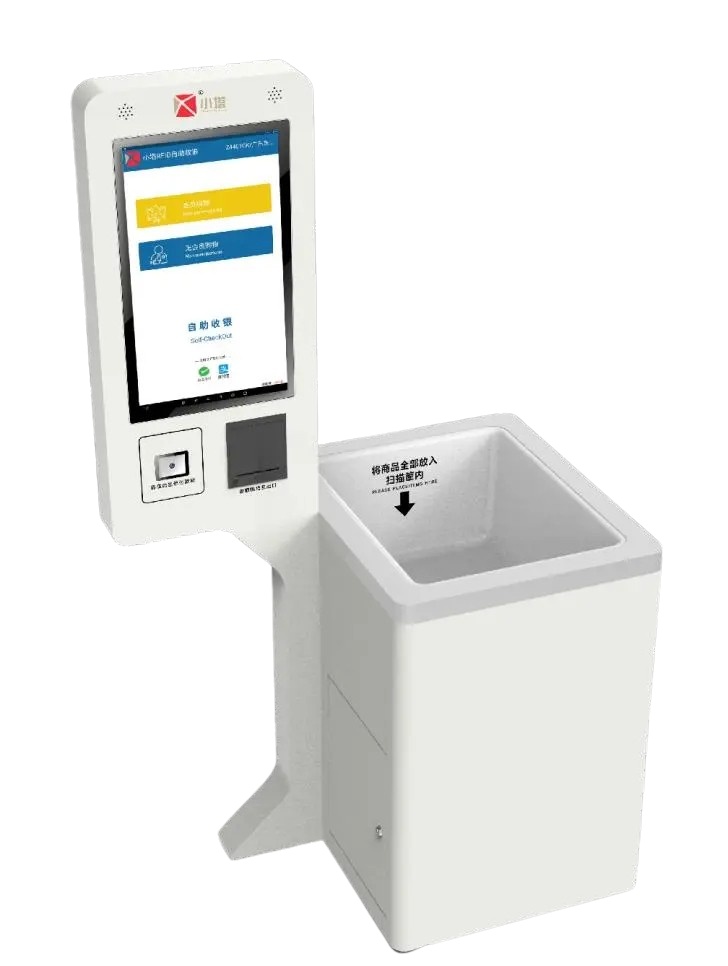
The XTZ3101 is a floor-standing RFID kiosk designed for apparel stores and other RFID-enabled retail environments. Customers place multiple tagged products in the controlled reading bin, review the detected items on the 21.5-inch touchscreen and continue through the retailer's configured checkout and payment process.
Purpose-built for RFID retail
Unlike barcode self-checkout, the XTZ3101 does not require shoppers to find and scan each code individually. Its UHF RFID reading zone captures multiple item identities together and passes them to the connected retail checkout application.
A simple customer journey
The final interface and payment steps can be configured around the retailer's existing systems while the core RFID self checkout system remains simple for customers to follow.
Put the selected RFID-tagged garments together inside the reading bin.
The kiosk reads multiple UHF RFID tags without line-of-sight barcode handling.
The connected application displays the detected products for customer confirmation.
The customer follows the configured payment flow and receives the required confirmation.
Fast, controlled and customer-friendly
The integrated design brings the customer interface, RFID reading area and retail system connection into one self-service station.
Integrated retail hardware
Each installation can be planned around the customer's tags, checkout software, store network and payment environment.
Supports EPC Class 1 Gen 2 / ISO 18000-6C tagged products across configurable regional UHF bands.
Pass detected EPC and product data to the retailer's checkout application, POS database or middleware.
A 1920 × 1080 capacitive screen supports guided item confirmation and self-service interaction.
Adjustable short-range RFID performance helps separate the checkout batch from nearby tagged merchandise.
Connect the RFID kiosk with retail, inventory and backend workflows through the selected project interface.
Receipt printing, QR/barcode capture, NFC/payment and other modules can be evaluated by configuration.
From detection to transaction
An effective RFID checkout system combines the kiosk with product data, pricing rules, payment services, inventory updates and loss-prevention logic. Xiaota can support hardware configuration, read testing and interface planning around the customer's existing retail environment.
Retail applications
Speed up checkout for baskets containing several tagged garments, footwear or accessories.
Add multi-item RFID checkout points for suitable tagged non-food merchandise.
Support a guided self-service transaction flow with configurable payment and receipt options.
Adapt the kiosk for RFID-enabled bookstores, merchandise shops and other controlled checkout scenarios.
Technical specifications
| System and RFID Performance | |
|---|---|
| Product Model | XTZ3101 |
| Product Type | Floor-standing UHF RFID self checkout kiosk |
| Operating System | Android; Windows configuration available according to project requirements |
| Computer Configuration | Android: RK3399, 4 GB RAM + 16 GB storage; Windows: Intel Core i5, 4 GB RAM + 128 GB SSD |
| Identification | UHF RFID |
| Frequency Range | 840–960 MHz; regional configuration required |
| Air Interface | EPC Class 1 Gen 2 / ISO 18000-6C |
| Checkout Batch | At least 20 tagged items per reading cycle* |
| Typical Reading Time | 1–2 seconds* |
| Reading Zone | Controlled short-range reading; final range and power tuned for deployment |
| Display, Structure and Connectivity | |
| Overall Dimensions | 1585 × 880 × 580 mm (H × W × D) |
| Touchscreen | 21.5-inch capacitive touch display |
| Resolution | 1920 × 1080, 16:9 |
| Communication | Ethernet; Wi-Fi and other interfaces available according to configuration |
| Installation | Floor-standing enclosure with leveling feet / casters |
| Operating Temperature | 0 °C to 60 °C |
| Operating Humidity | 10% RH to 90% RH, non-condensing |
| Optional Functions | Payment, QR/barcode scanning, receipt printing, NFC and selected authentication modules subject to project configuration |
*Batch capacity and reading time depend on tag selection, tag placement, product materials, loading method, RF settings and the store environment. Payment methods and optional peripherals must be confirmed for each project.
Frequently asked questions
An RFID kiosk is a self-service terminal that identifies RFID-tagged items and connects the result with a customer-facing application. The XTZ3101 is designed specifically for multi-item retail checkout rather than general information display or ticketing.
Barcode systems normally require each product code to be located and scanned individually. UHF RFID can identify several tagged products together without direct line of sight, helping reduce repeated handling during apparel checkout.
The documented capability is at least 20 tagged items in a checkout batch, with a typical reading time of 1–2 seconds. Actual performance depends on the selected tags, product materials, placement and system settings.
Yes. The detected tag data can be connected with the retailer's POS, product database, inventory software or middleware. The required API, data fields and transaction logic should be confirmed during integration planning.
Payment, QR/barcode scanning, NFC, receipt printing and authentication modules are configuration-dependent. Xiaota can plan the required interfaces and peripherals around the customer's market and payment environment.
The reading bin and RF settings create a controlled checkout zone. Tag tests and onsite power adjustment are recommended to match the store layout and reduce unwanted reads from nearby tagged stock.
Share your tagged products, expected basket size, POS software, payment methods and rollout plan.
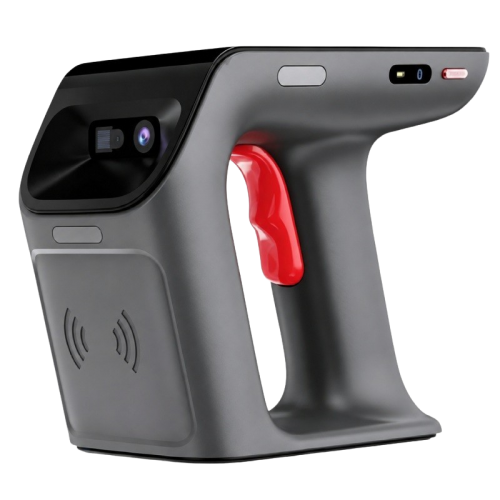
Mobile UHF RFID reader with 500+ tags/s, 10m+ range, barcode scanning, BLE 5.0 and a replaceable battery for retail and inventory. Notice: All products can be configured to comply with the local RFID frequency standards of the destination country or region. Please confirm the required frequency band before placing your quote.
View More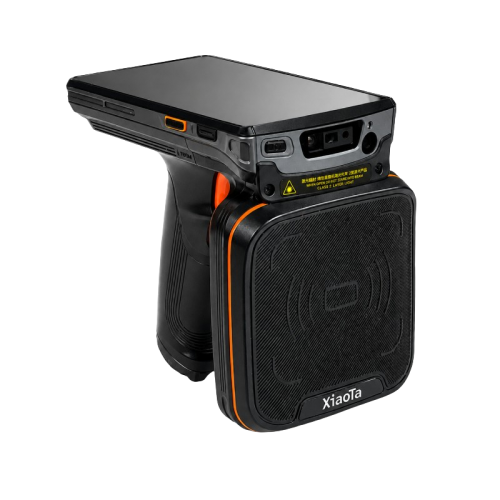
XT50 handheld RFID reader combines UHF RFID and barcode capture with Android 11 and a 9000mAh battery for retail, apparel and warehouse inventory.
View More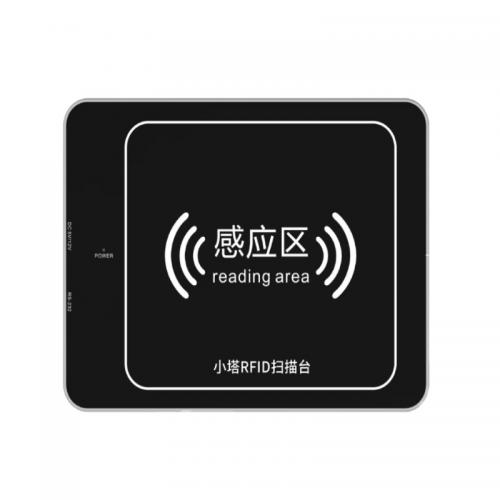
XTS2002 is a near-field UHF RFID reader for fast retail checkout, receiving, shipping verification and inventory management.
View More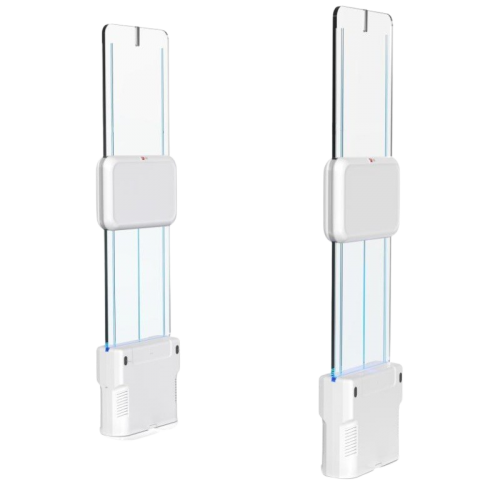
XTD4231 RFID EAS Gate connects item-level exit detection with visual and audible alarms for fashion retail loss prevention and store security.
View More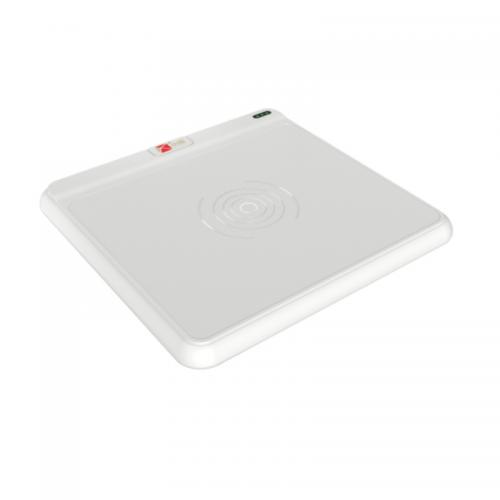
The XTS2001 is a compact UHF RFID POS Reader designed specifically for multi-item checkout in fashion retail stores. Instead of scanning each garment barcode individually, cashiers can place multiple RFID-tagged items on the reader and capture them together. The reader connects with an external POS through Type-C and supports USB cursor-style output as well as SDK and API integration. Its slim countertop design allows retailers to add RFID checkout to an existing cashier station without turning the counter into a large self-checkout kiosk.
View More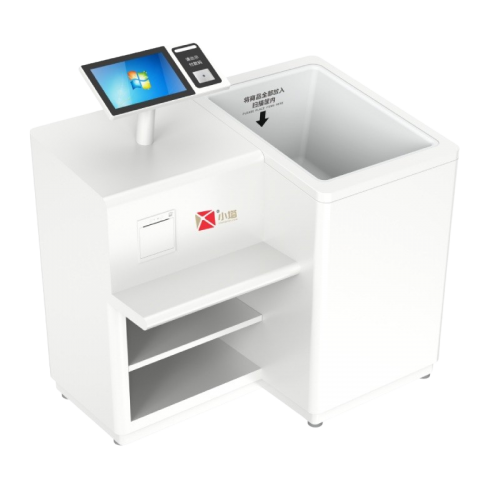
Speed up multi-item apparel checkout with the XTZ3201 RFID Self Checkout Kiosk, featuring UHF batch reading, POS integration and self-service payment.
View MoreLeave A Message
Scan to wechat :