
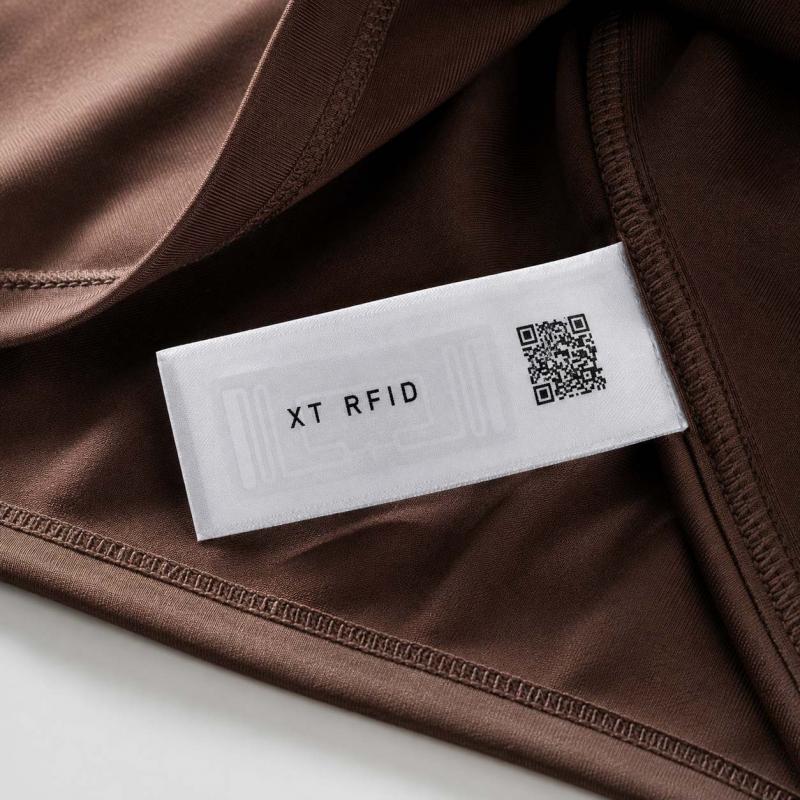
Xiaota RFID Sewed Tag integrates UHF RFID identification into garments, supporting item-level inventory management, product tracking and traceability across apparel production, warehousing and retail.
Order(MOQ):
100K pcsThe Xiaota RFID Sewed Tag is a UHF RFID tag designed for integration into a garment seam, internal label or other suitable textile construction. Unlike an external hang tag or an adhesive label, this integrated RFID tag is intended to remain with the garment and support item-level identification across more stages of its operational lifecycle.
When connected with RFID readers, software and existing business systems, the label can support receiving, inventory counting, stock transfer, store operations, order verification, returns and product traceability. Final construction and RFID performance should be confirmed through sample testing on the actual garment.
|
01
Integrated Garment IdentificationThe RFID component is incorporated into the garment construction instead of relying only on an external tag format. |
02
Discreet Product IntegrationPlacement inside a seam or internal label keeps RFID identification integrated with the product rather than displayed as a separate external element. |
|
03
Item-Level Workflow SupportRFID data can be associated with product and inventory records to support identification, verification and traceability workflows. |
04
Designed for Scalable DeploymentConstruction, placement and RFID configuration can be evaluated around the garment, production process and operating environment before rollout. |
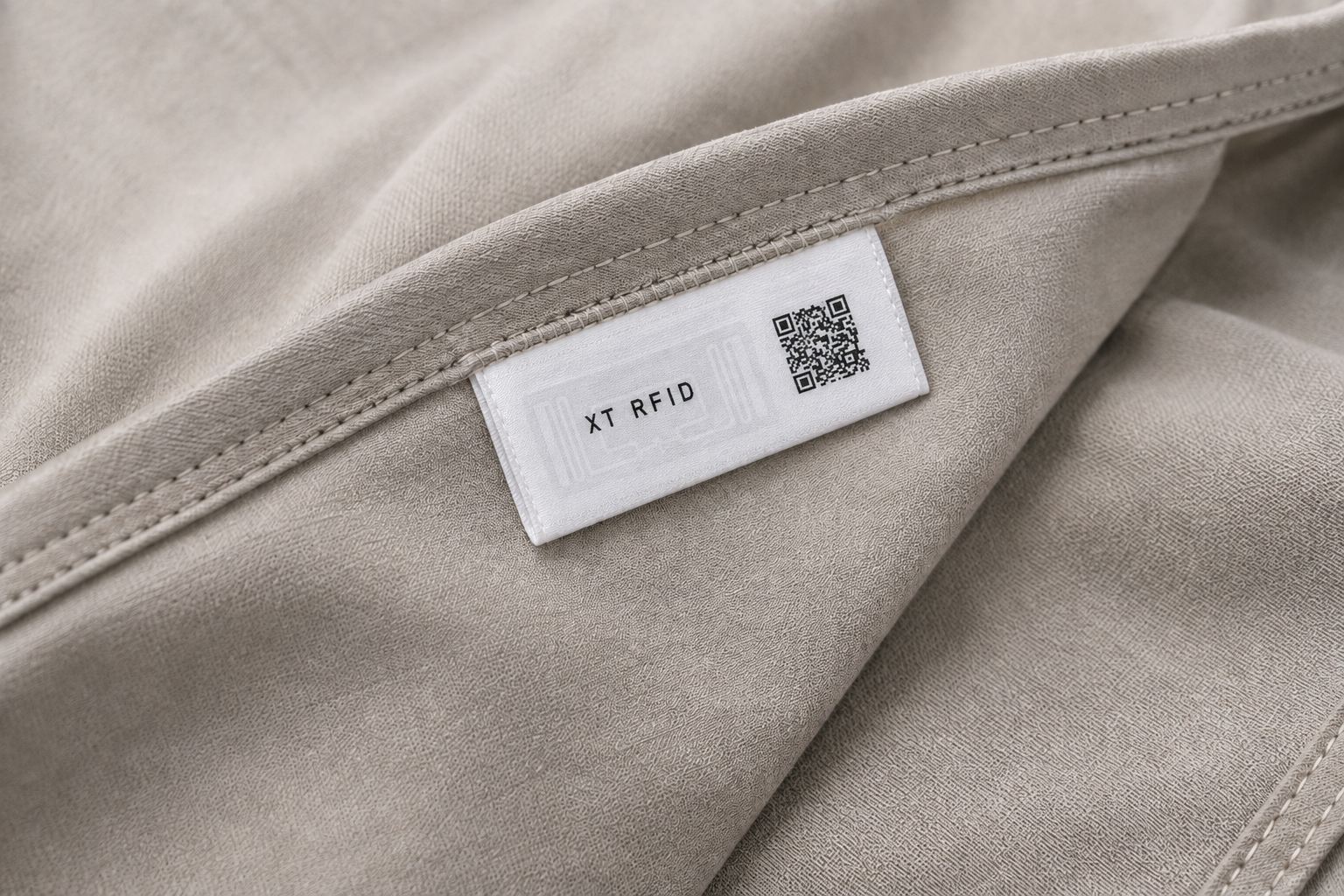
Recommended image: a clear product close-up showing the RFID Sewed Tag and its placement inside a garment seam or internal label.
An integrated RFID tag keeps the item identity available beyond the initial tagging stage and can support operations from production to retail and returns.
|
APPLICATION 01
Source Tagging & ProductionIntegrate item identification during garment production and associate the RFID identity with product information. |
APPLICATION 02
Warehouse InventorySupport receiving, inventory counting, stock transfer, order picking and shipment verification with suitable readers and software. |
|
APPLICATION 03
Retail Store OperationsEnable inventory counts, stock checks, replenishment support and other RFID-enabled store processes. |
APPLICATION 04
Returns & Product TraceabilityUse the retained item identity to support return verification and product traceability when the required data and system workflows are in place. |
RFID Sewed Tags, RFID hang tags and adhesive RFID labels can support related workflows, but they differ in placement, visibility and how long they are intended to remain with the product.
| Comparison | RFID Sewed Tag | RFID Hang Tag | RFID Label |
|---|---|---|---|
| Placement | Sewn into a garment seam or internal label area | Attached externally by string or fastener | Applied to a suitable product or packaging surface |
| Visibility | Discreet and integrated | Visible and presentation-oriented | Compact and function-oriented |
| Product Retention | Intended to remain integrated with the garment | Normally removable after purchase | Depends on the adhesive, surface and application |
| Typical Fit | Integrated apparel identification and extended lifecycle workflows | Fashion presentation and pre-sale inventory workflows | Operational tagging for products, packaging and inventory units |
| Need a visible fashion tag? VIEW RFID HANG TAG | Need a compact adhesive format? VIEW RFID LABEL |
A reliable RFID Sewed Tag project requires the tag construction, placement, RFID configuration, reader setup and software workflow to be evaluated together. Xiaota can support requirement confirmation, sample evaluation, system integration and implementation planning.
| 1. Confirm Review the garment, placement and operating workflow. | 2. Configure Define the label construction and RFID requirements. | 3. Test Verify placement, reading and required care conditions on samples. | 4. Deploy Connect tag data with readers, software and business processes. |
| Product Type | UHF RFID Sewed Tag for apparel |
|---|---|
| Intended Placement | Garment seam, internal label or another approved textile construction |
| Material & Construction | Confirmed according to the garment, placement, care conditions and project requirements |
| Dimensions | Defined after reviewing the available placement area and RFID performance requirements |
| Chip & Frequency | Selected and confirmed for the target market, antenna design and project workflow |
| Printing & Data | Available options depend on the selected material, construction, chip and data workflow |
| Wash & Care Performance | Must be validated on the final sample under the intended garment-care conditions |
| Reading Performance | Depends on antenna design, label placement, garment materials, reader configuration and operating environment |
| Samples & MOQ | Confirmed after the required construction and customization are defined |
Important: A tag sewn into a garment is not automatically an industrial-laundry RFID tag. Required wash cycles, temperature, chemicals and mechanical conditions must be specified and tested before a durability claim is published.
An RFID Sewed Tag is incorporated into the garment and is intended to remain with it. A hang tag is attached externally, provides more space for visible brand presentation and is normally removed after purchase.
No. Sewing describes how the RFID tag is attached, not a guaranteed wash rating. Materials, construction and RFID performance must be tested against the required wash cycles and care conditions.
Yes, when the RFID identity is retained and connected with the required product records and system workflows. The available functions depend on the software, integration and business process design.
Typical inputs include the garment type, placement area, required label dimensions, target market, intended RFID workflow, printing or data needs, and expected wash or care conditions.
Tell us about the garment, placement, care conditions and RFID processes you need to support. Xiaota can help evaluate the RFID tag, readers, software integration and implementation as one complete RFID project.
DISCUSS YOUR RFID PROJECT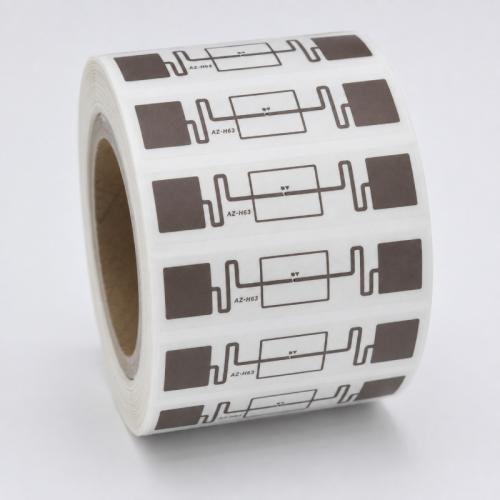
Customizable RFID labels for apparel identification, inventory management and item-level tracking, with printing, encoding and unique TID or EPC data binding.
View More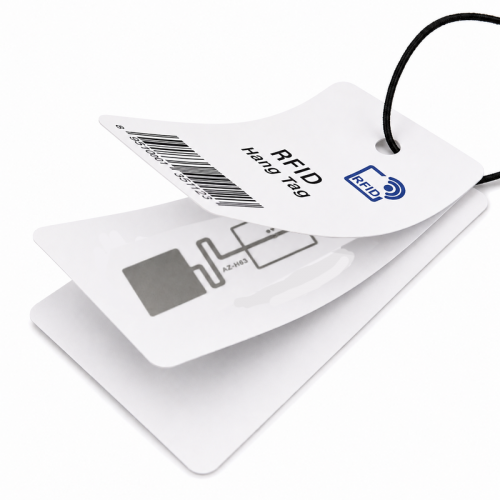
RFID Tag for Fashion Retail Smart Identification Designed to Be Seen The Xiaota RFID Tag combines a fashion-ready hang tag with UHF RFID identification. Compared with a standard adhesive RFID label, it offers more space for visual design and fits naturally with apparel, footwear and fashion accessories. Built with the Kiloway ONLY 1 read-only UHF RFID chip, each RFID hang tag carries a unique, factory-fixed S-EPC identity. The identity can be associated with a SKU, barcode, order or item record in Xiaota software without on-site RFID encoding. Brand Presentation + Item Identification Why Choose an RFID Hang Tag? 01 Fashion-Ready Presentation The visible tag format provides more room for brand graphics, product information and a presentation that complements apparel and accessories. 02 Unique Item Identity A unique S-EPC is fixed before delivery. The RFID tag can be associated with business data without requiring on-site chip writing. 03 Efficient Batch Reading Multiple tagged items can be identified in batches, supporting faster receiving, inventory counting, transfer and shipment verification. 04 Printable and Customizable Artwork, printed information, dimensions and finished construction can be configured around the product, brand and application requirements. Built for Apparel and Fashion Workflows Fashion Brands Source tagging, product identity, supply chain visibility and consistent branded presentation. Apparel Retail Stores Goods receiving, store inventory, replenishment support and item-level stock visibility. Warehouse & Distribution Bulk receiving, cycle counting, stock transfer, order picking and shipment verification. Fashion E-Commerce Inventory synchronization, order verification, packing control and returns processing. RFID Hang Tag or RFID Label? Both formats can support similar RFID workflows. The main difference is presentation and attachment: a hang tag is more visible and fashion-oriented, while a label is compact and operational. Comparison RFID Hang Tag RFID Label Appearance More visible and suitable for brand presentation Compact and function-oriented Typical Placement Apparel, footwear and fashion accessories Products, packaging, cartons and inventory units Printing Custom artwork and product information Custom visual information and barcodes Face Material Coated paper / synthetic paper Coated paper / synthetic paper RFID Capability Supports batch identification and item tracking Supports batch identification and item tracking Best Choice When Appearance and fashion presentation matter A compact adhesive format is preferred Need a compact adhesive format? Explore the Xiaota RFID Label for packaging and operational identification. VIEW RFID LABEL More Than an RFID Tag Connected to a Complete RFID Solution Xiaota combines RFID tag selection, readers, software integration, workflow planning and on-site implementation. This helps customers turn each tag identity into usable inventory and supply chain data. 1. Attach Attach the RFID hang tag to the item. 2. Bind Associate S-EPC with SKU, barcode or item data. 3. Read Capture multiple tagged items at operational checkpoints. 4. Manage Use the data for inventory and process decisions. General Specifications Product Type Printable UHF RFID hang tag RFID Technology UHF RFID Chip Kiloway ONLY 1 read-only chip Protocol ISO/IEC 18000-6C (EPC Class 1 Gen 2) Operating Frequency 840–960 MHz; regional frequency tuning available Data Identity Unique factory-fixed S-EPC; read-only On-Site Encoding Not required; item data is associated through the software system Face Material Coated paper / synthetic paper Printing Supported; artwork and printed content are customizable Size & Construction Configured according to the item, artwork and application requirements Reading Performance Depends on antenna design, reader configuration, nearby material and operating environment Samples & MOQ Sample testing available; MOQ depends on customization requirements Note: Final performance should be verified using the selected antenna, tagged item and reader configuration in the actual operating environment. RFID Tag FAQs What is the main difference between an RFID hang tag and an RFID label? The RFID capability can be similar. A hang tag is more visible and provides more space for fashion-oriented artwork, while a label offers a compact adhesive format. Can the ONLY 1 chip be rewritten? No. ONLY 1 is a read-only chip with a unique S-EPC fixed before delivery. This removes the need for on-site RFID writing. Can the RFID tag match our brand design? Yes. The visible artwork, product information, dimensions and finished construction can be customized after the requirements and artwork are confirmed. Can RFID hang tags support inventory management? Yes. They can support receiving, counting, transfer, order verification and other RFID inventory workflows when combined with suitable readers and software. Create an RFID Tag...
View More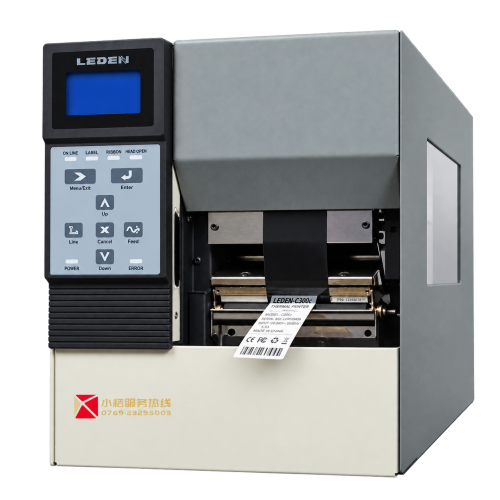
LG686R hang tag printer delivers up to 600 dpi single-sheet printing for apparel tags, price cards and certificates, with optional UHF RFID encoding.
View More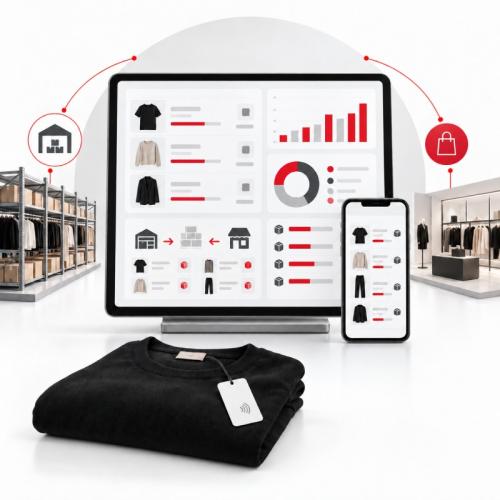
RFID software connects apparel inventory across factories, warehouses, stores and e-commerce through receiving, counting, transfer and shipping
View More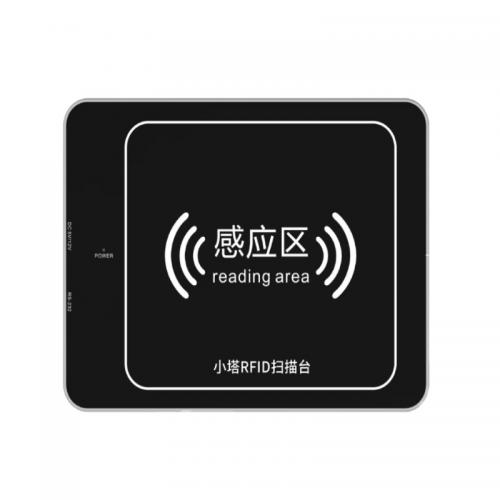
XTS2002 is a near-field UHF RFID reader for fast retail checkout, receiving, shipping verification and inventory management.
View More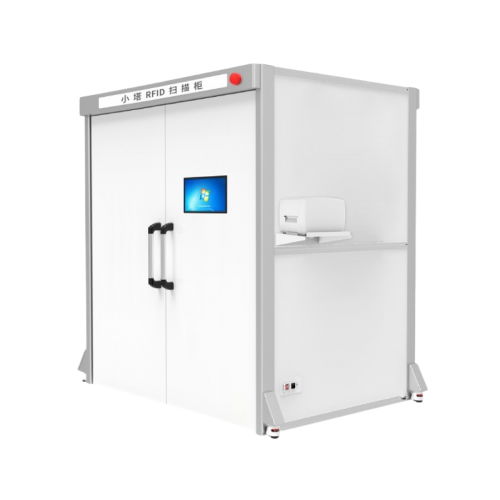
XTC6201 RFID reader delivers fast, shielded batch identification for apparel receiving, shipping and warehouse inventory using full-size carts. Notice: All products can be configured to comply with the local RFID frequency standards of the destination country or region. Please confirm the required frequency band before placing your quote.
View MoreLeave A Message
Scan to wechat :