

What Is EAS?


Author
Global Marketing Manager
from Xiaota RFID, we focusing on RFID technology, smart retail solutions, and digital transformation for global businesses

What Is EAS?
EAS stands for Electronic Article Surveillance. It is a retail anti-theft system that uses a security tag or label on merchandise and a detection system near the store exit.
In a traditional EAS system, the tag is removed or deactivated after payment. If an active tag passes through the detection zone, the system sounds an alarm so store staff can respond.
How Does an EAS System Work?
When the Exit Alarm Sounds
A shopper has paid, the store is busy, and an alarm suddenly sounds. Staff need more than noise—they need enough context to respond calmly and protect the customer experience.
Traditional EAS vs. RFID EAS
Traditional RF or AM systems mainly indicate that an active security tag entered the exit zone. They remain useful for visible deterrence and straightforward alarm workflows.
RFID EAS can add a unique item identity. When connected with POS and loss-prevention software, the system can evaluate whether a garment is recorded as sold or authorised, log the event and give staff clearer information. The exact result depends on tag choice, checkout integration, entrance layout and configured business rules.
Two Ways to Build an RFID-Protected Store Exit
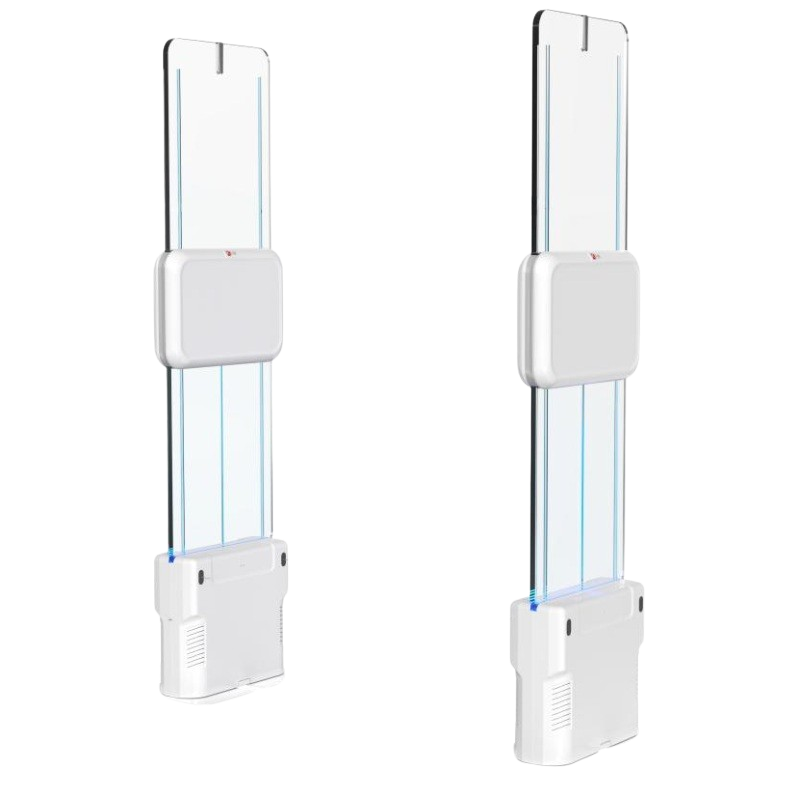 XTD4231 RFID EAS Gate
A floor-mounted checkpoint for item-level exit detection, event capture and compatible visual or audible alarm control.
View RFID EAS Gate →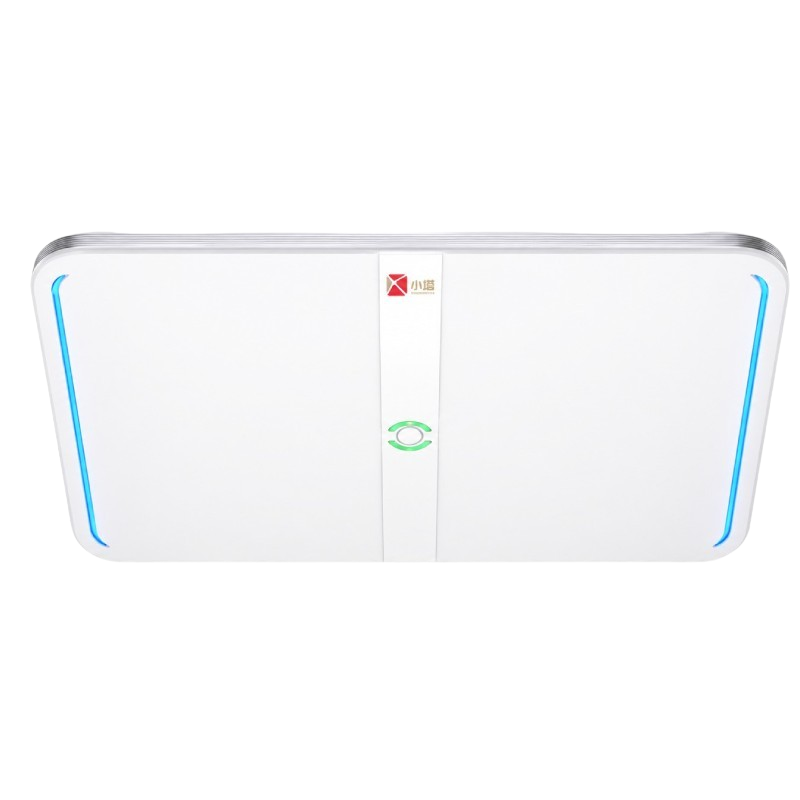 XTD4121 RFID Overhead EAS System
A ceiling-mounted option with direction-aware RFID detection for retailers that want a cleaner, unobstructed entrance.
View Overhead EAS System →What Fashion Retailers Gain from Connected EAS
The strongest protection plan is not simply the loudest alarm. It helps employees understand what happened, protects merchandise without making the entrance feel hostile, and connects loss-prevention events with the same item data used for inventory and checkout.
Xiaota combines RFID tags, gate or overhead detection, software rules, POS integration, site testing and deployment support. This makes it easier to design an electronic article surveillance workflow around the store—not force the store around a standalone device.
Share your entrance width, store layout, RFID tag and POS environment. Xiaota can help you compare gate and overhead options and define a practical pilot.
Contact Xiaota for an RFID EAS Plan →- How RFID Helps Clothing Stores Keep the Right Sizes on the Sales Floor
- Ceiling-Mounted vs. Pedestal RFID for Fashion Stores
- RFID Security Tags for Apparel: How They Help Prevent Loss
- What Is RFID Tag in Apparel Industry?
- What Is EAS?
- What Is RFID?
- Xiaota RFID Showcases Smart Retail Solutions at IOTE Shenzhen 2026
- Xiaota Strengthens Workplace Safety with First Aid Training