

Give Every Apparel Item a Reliable Digital Identity
Build item-level inventory from the start. Xiaota helps fashion hypermarkets select, print, apply and verify RFID tags, then connect each unique tag identity with the product data used by warehouse, store and checkout teams.
The result is not simply a tagged garment. It is a physical item that can be recognised consistently as it moves through receiving, stocktaking, replenishment, checkout and loss-prevention workflows.
Discuss Your Tagging Workflow Back to Hypermarket RFID
A SKU describes a product variation. Fashion operations also need to distinguish each physical garment within that variation. Without a reliable item identity, duplicate styles, mixed sizes and repeated barcodes are difficult to trace across receiving, stockrooms, sales floors and transactions.
A unique RFID identity helps distinguish individual units that share the same style, colour, size and barcode.
Incorrect tag selection, placement or product binding can make receiving, inventory and checkout data less dependable.
When products arrive without usable RFID identification, store teams must add another task before the items are ready for inventory operations.
A tag becomes operationally useful only when its identity is connected with the correct item, order and business record.
Xiaota coordinates the physical tag and the data workflow together. Tag format, artwork, attachment position, item identity and system fields are confirmed before the process is scaled across suppliers, warehouses or stores.
Confirm the SKU, barcode, order, supplier and item fields that the RFID identity must reference, together with the workflows that will read it.
Evaluate an adhesive label, fashion hang tag or sewn RFID tag against the garment material, presentation requirements, handling conditions and planned reading environment.
Print the confirmed visual information and apply the tag at the agreed position so factories, distribution centres and stores follow the same operating standard.
Read the unique RFID identity, confirm that it is usable and associate it with the correct SKU, barcode, order or item record in Xiaota software or a connected business system.
The best tagging location depends on supplier control, product volume and rollout stage. Large fashion hypermarkets usually gain a more consistent foundation when products arrive already identified, while in-store tagging remains useful for legacy stock, pilot ranges and selected exceptions.
Tags are applied by the manufacturer or designated supplier before products enter warehouse and store operations.
Best for: consistent tag placement, supplier standards, large product volumes and ready-to-read inbound goods.
Store or local teams apply tags after receiving, usually for selected ranges, untagged inventory or a controlled pilot.
Best for: phased adoption, legacy inventory, short-term exceptions and products outside the normal supplier process.
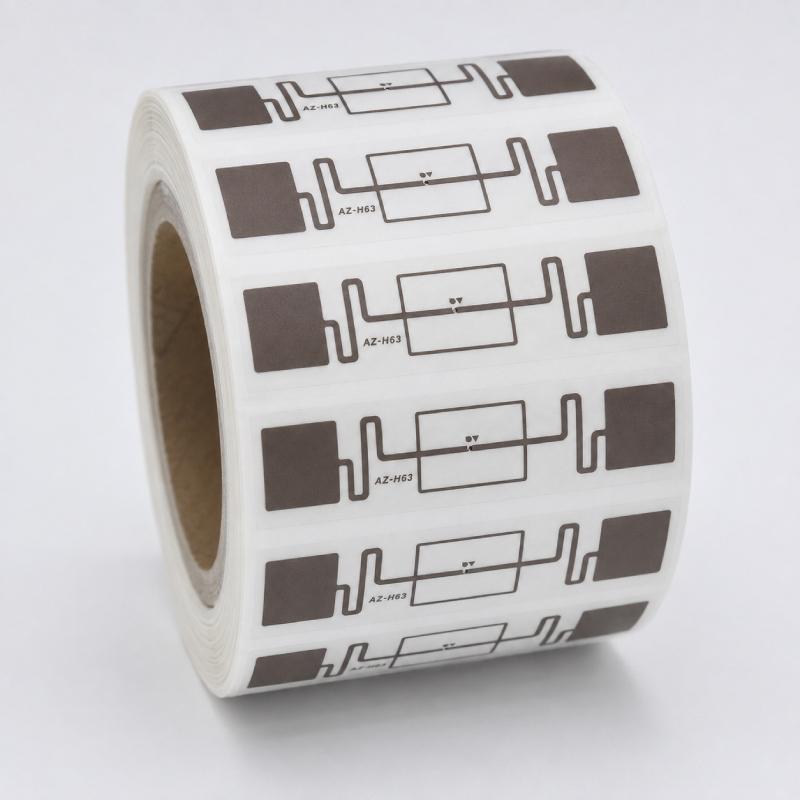
The correct RFID tag is selected around presentation, attachment, durability and reading conditions—not only the chip specification.
Xiaota's current ONLY 1-based apparel labels and hang tags carry a unique, factory-fixed S-EPC identity. The deployment workflow verifies that identity and associates it with business data instead of rewriting the chip on site.
Tagging is the first connected workflow. Once the identity is correct, the same item can be captured at later operating points without creating a separate identification method for each department.
RFID tagging succeeds when the physical tag and the operating standard are tested together. Xiaota supports the process from tag samples and data mapping through deployment, training and ongoing service.
A SKU groups products with the same commercial attributes, such as style, colour and size. A unique RFID identity distinguishes each physical item within that group.
Source tagging usually supports greater consistency and reduces store handling for large assortments. In-store tagging remains useful for pilots, legacy stock and controlled exceptions. Xiaota can configure a mixed workflow when required.
No. The current ONLY 1-based label and hang-tag configurations use a unique factory-fixed S-EPC. The identity is verified and associated with the relevant SKU, barcode, order or item record in the software system.
Yes. Xiaota provides standard API integration capabilities. The exact fields, item-status rules and interfaces are confirmed during project assessment.
Yes. RFID products can be configured to comply with the local frequency requirements of the destination country or region. Confirm the target market and required frequency band during quotation.
Tell us what products you need to tag, where tagging will take place, what data must be connected and where the items will be read. Xiaota can help evaluate the tags, software, integration and rollout as one connected workflow.
Contact us for More SolutionsLeave A Message
Scan to wechat :