
Improve Inventory Accuracy and Store Execution Across Every Hypermarket Operation
Fashion hypermarkets manage thousands of styles, colours and sizes across receiving areas, stockrooms, sales floors and checkout zones. When inventory records fall behind physical stock movement, receiving, counting, replenishment and loss control all become harder to manage.
Xiaota connects UHF RFID tags, readers, self-developed software, business-system integration and on-site implementation to create item-level visibility from warehouse receipt to store inventory, replenishment, checkout and exit.
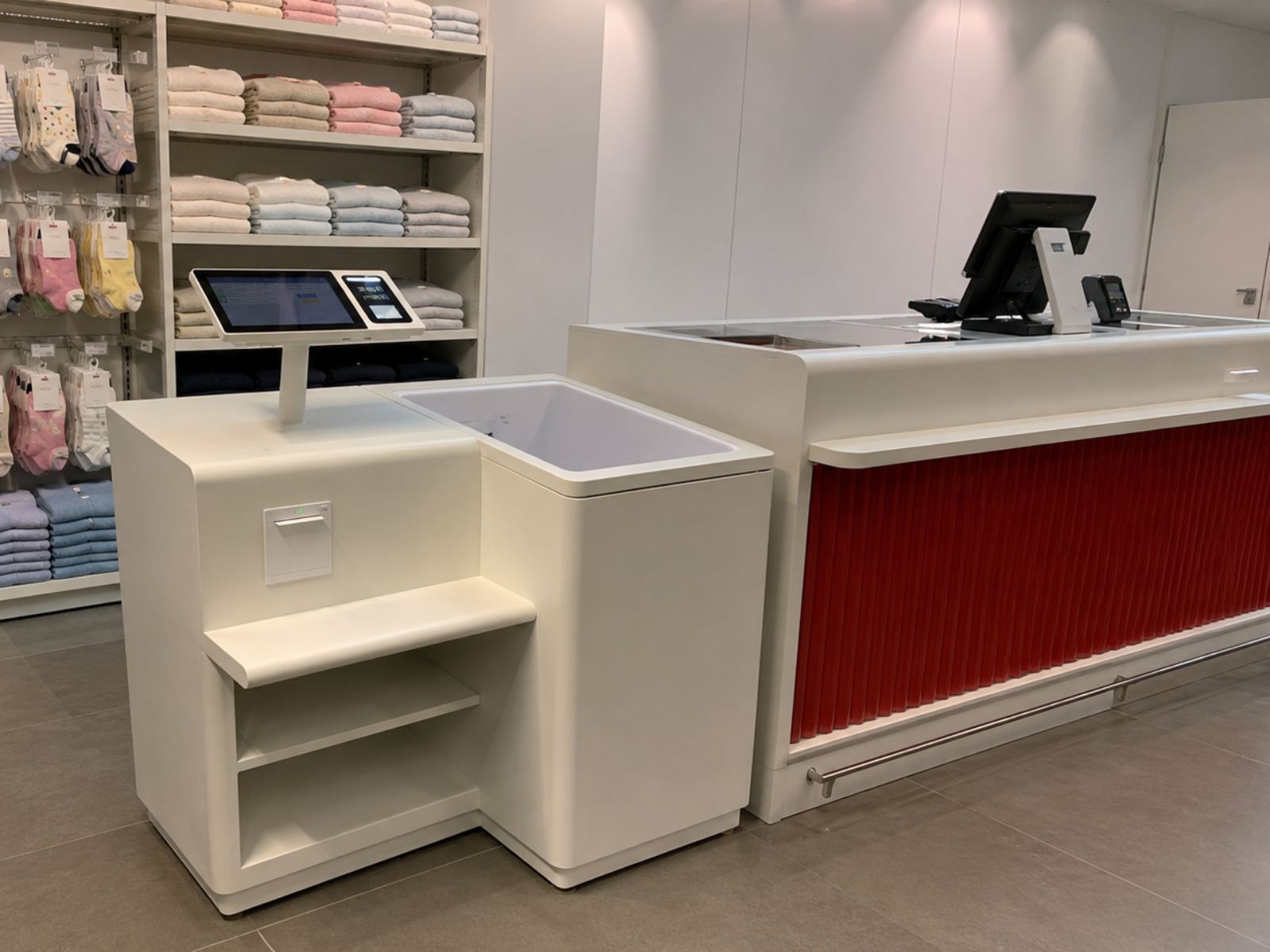
The central challenge is maintaining a reliable item-level stock position while merchandise moves through warehouse, stockroom, sales floor and checkout processes.
Infrequent manual counts and disconnected systems make it difficult to know what is physically available and where each item is located.
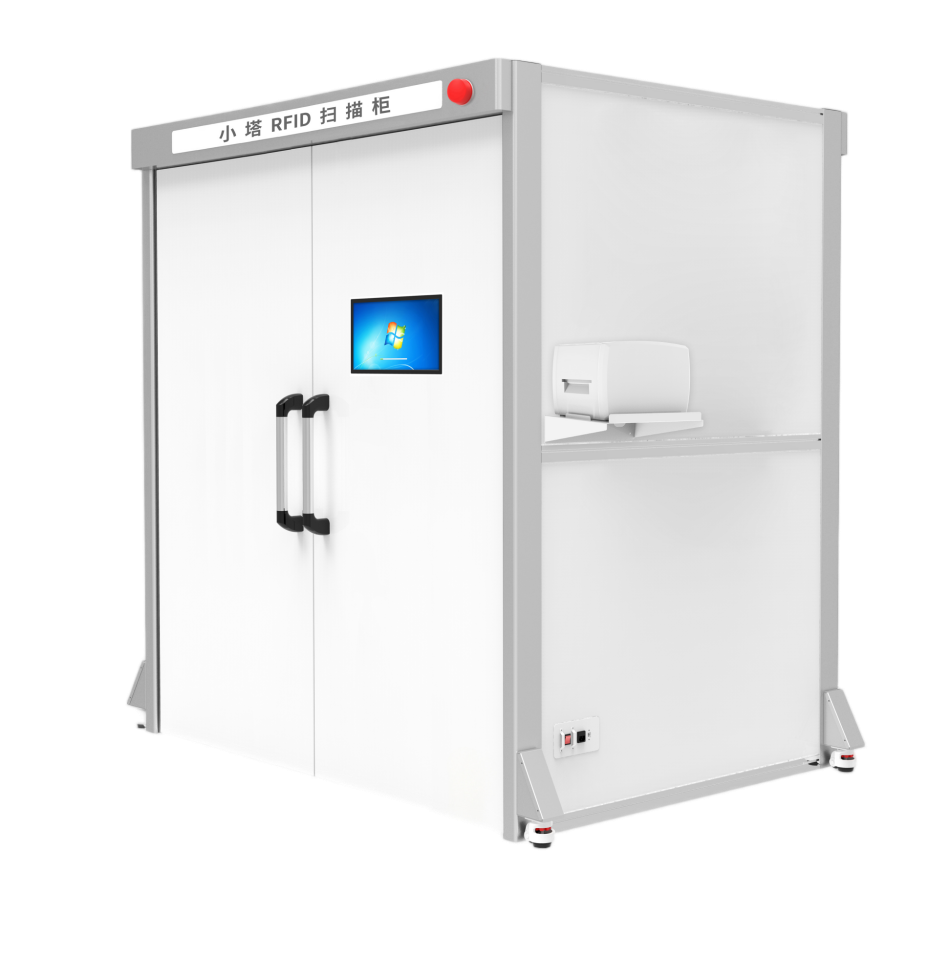
Opening cartons and scanning items one by one slows inbound work and delays the identification of quantity or item discrepancies.
The required size or style may be missing from the sales floor even when stock is available in the back room.
Item-by-item checkout creates queues, while limited transaction and movement data makes unexplained loss harder to investigate.
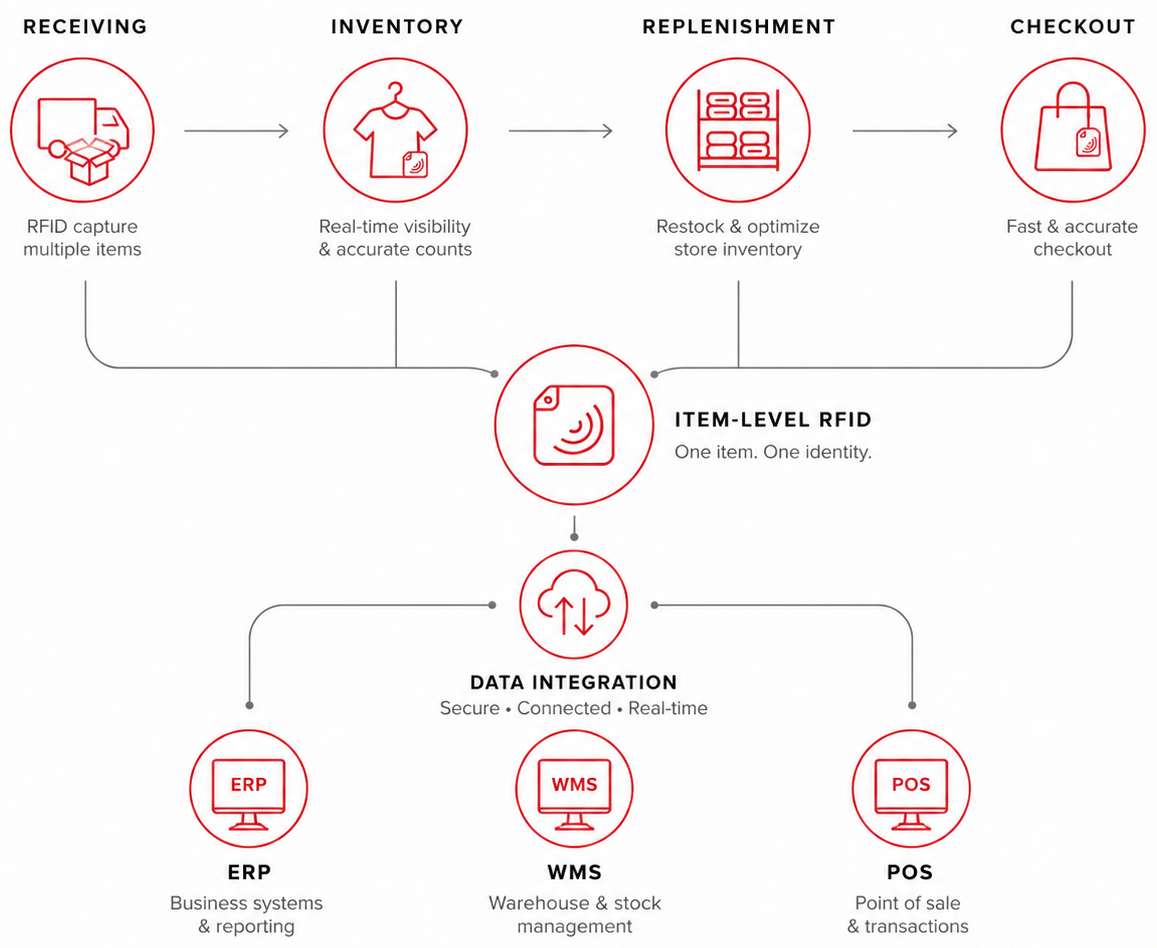
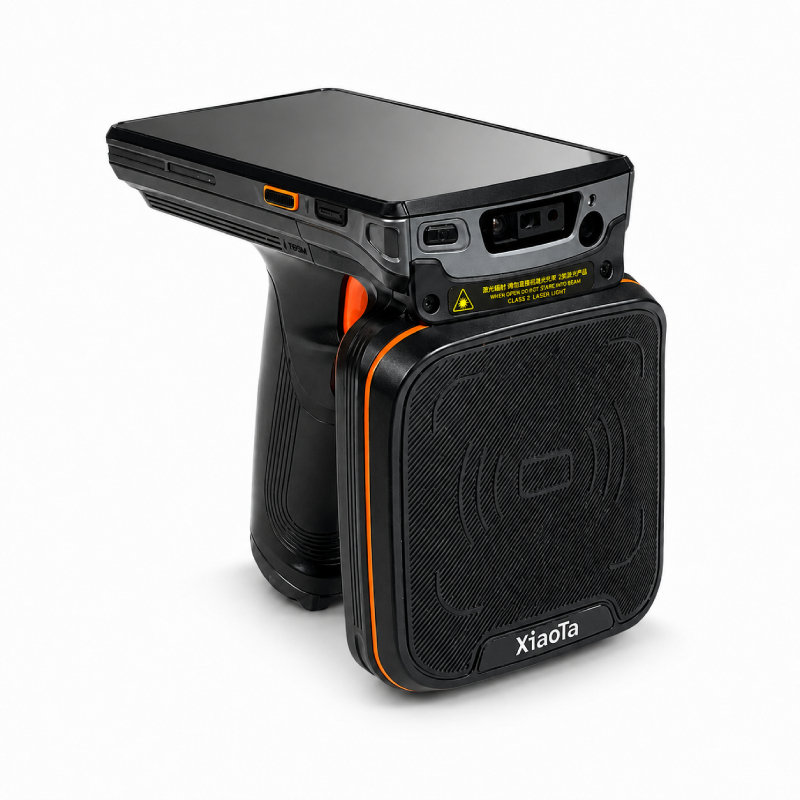
Each RFID-tagged garment carries a unique item identity. RFID readers capture multiple items without scanning every barcode individually, while Xiaota software records receiving, inventory, transfers, checkout and exception events.
Standard API integration can connect RFID data with existing ERP, WMS and POS environments, giving warehouse and store teams a more current view of physical stock and clearer operational tasks.
Choose the workflow that matches the current operating priority, then expand on the same item-level inventory foundation.
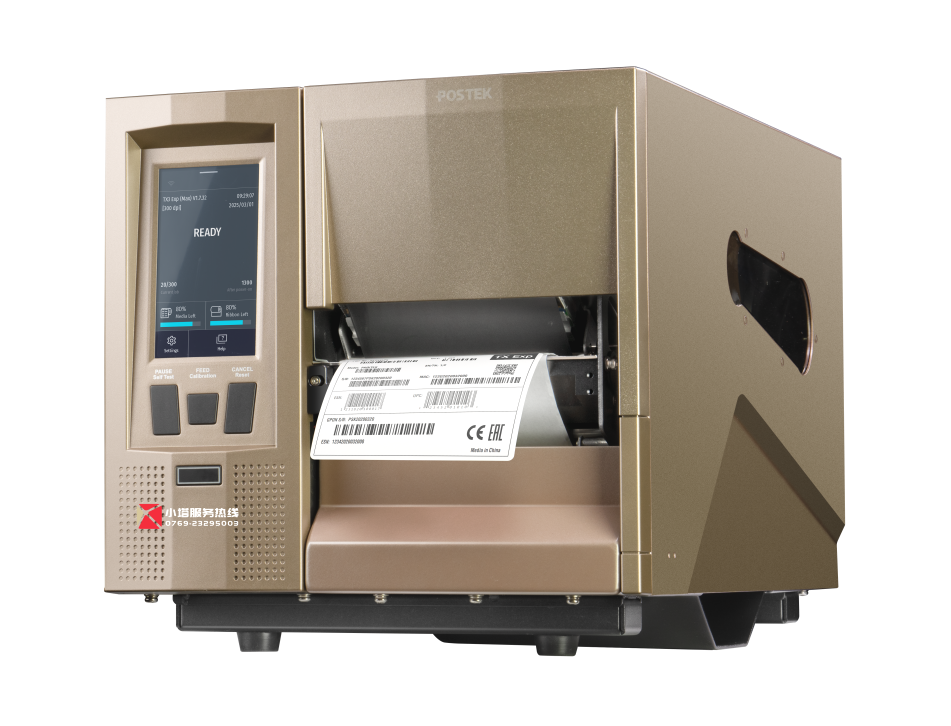
Create a unique digital identity for every item before it enters inventory operations.
Workflows: Tag printing · Encoding · Item binding
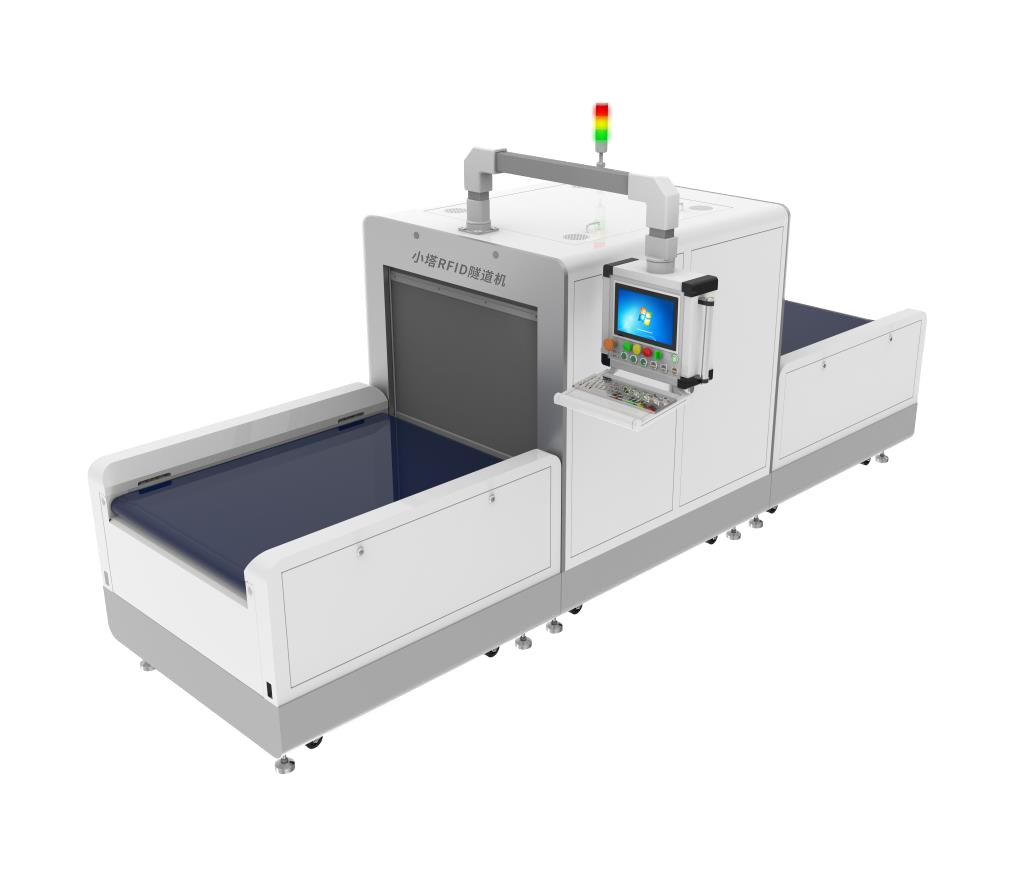
Explore this solution →Accelerate bulk receiving and verify outbound shipments with less item-by-item handling.
Workflows: Bulk receiving · Quantity verification · Shipping verification
Explore this solution →Keep store inventory more current through faster receiving, cycle counting and transfer verification.
Workflows: Store receiving · Stocktaking · Replenishment · Transfers
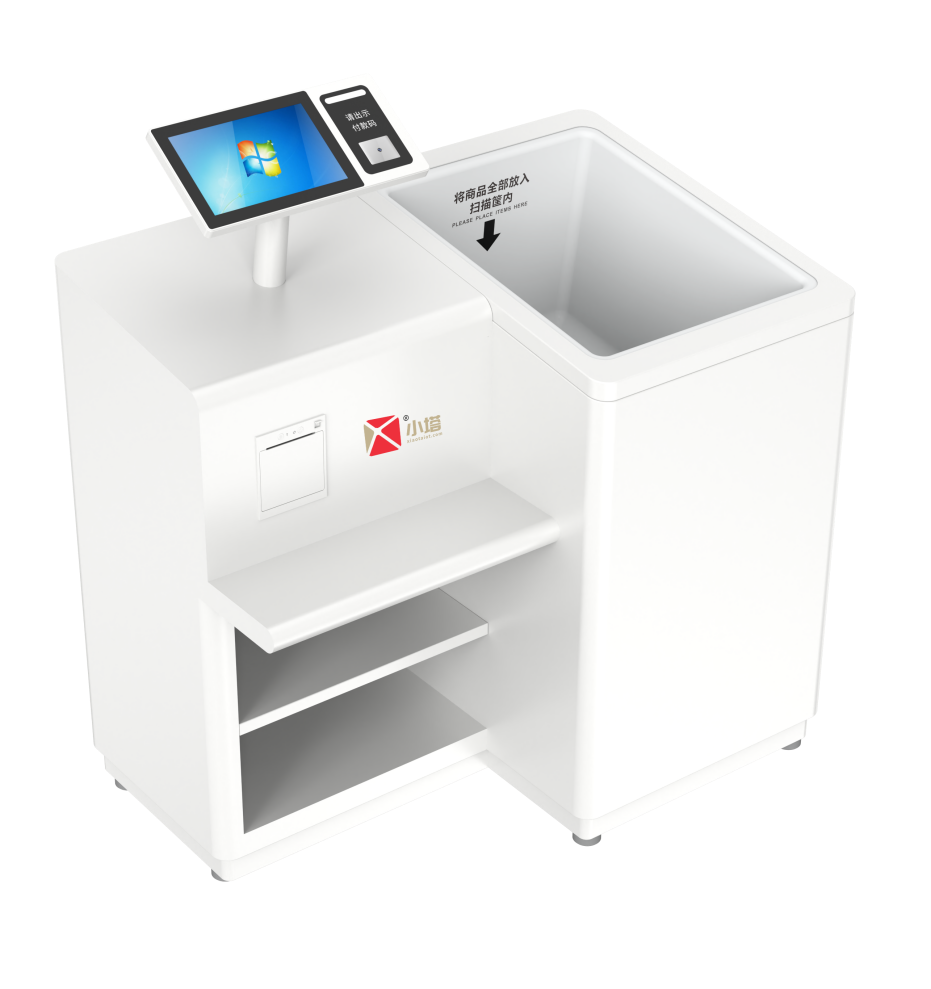
Explore this solution →Improve checkout efficiency and connect transaction status with item-level exit monitoring.
Workflows: Multi-item checkout · POS updates · Exit detection
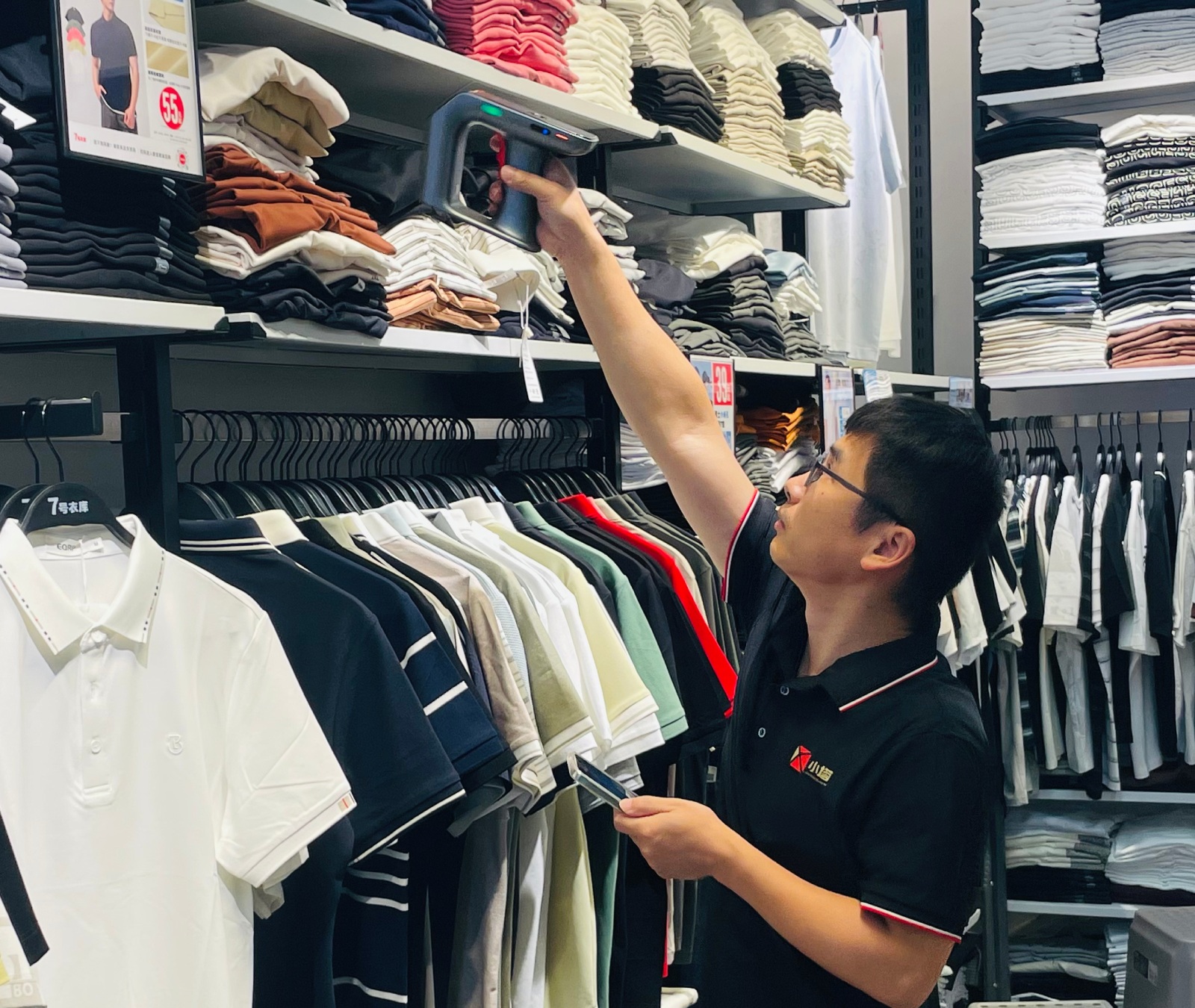
Explore this solution →RFID supports a practical operating rhythm: receiving updates stock, cycle counts correct discrepancies, and replenishment tasks move available merchandise from the stockroom to the sales floor.
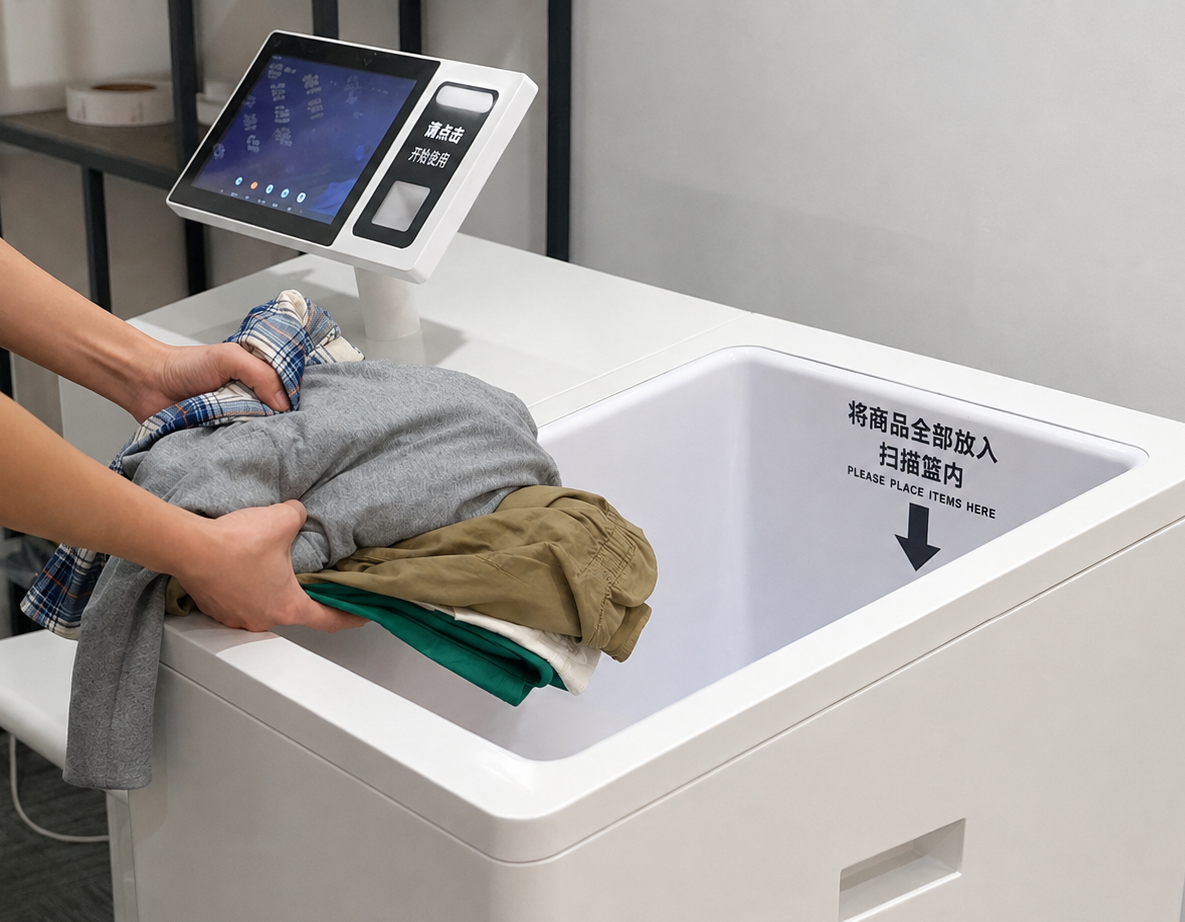
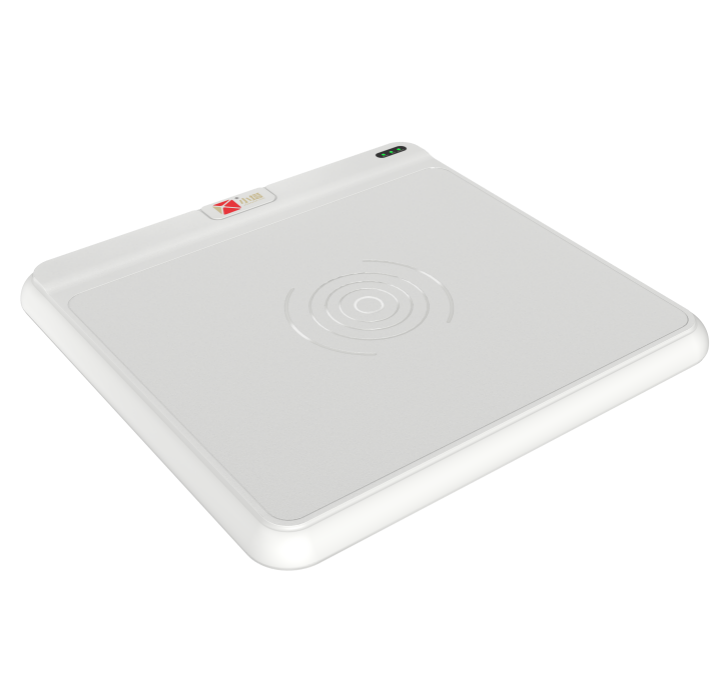
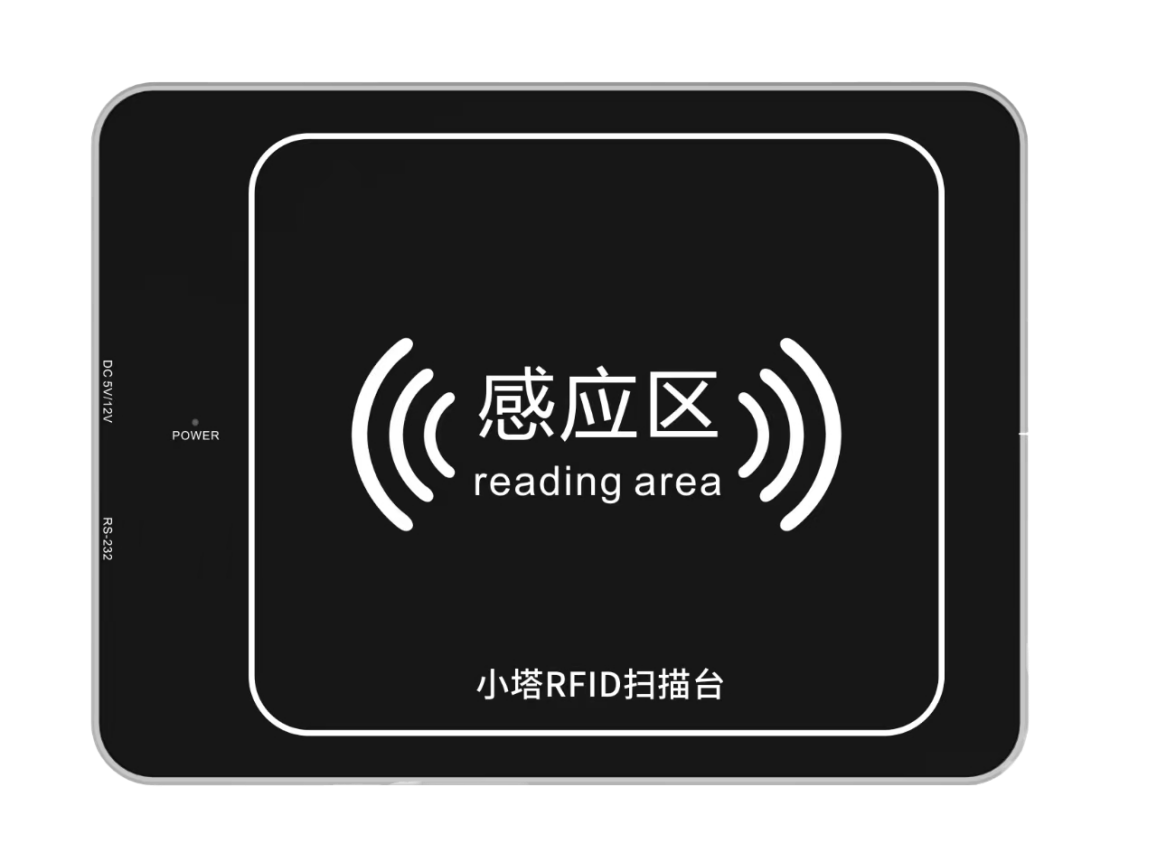
RFID checkout equipment can identify multiple tagged garments in one reading zone, helping staffed or self-service checkout process baskets more efficiently than scanning every barcode individually.
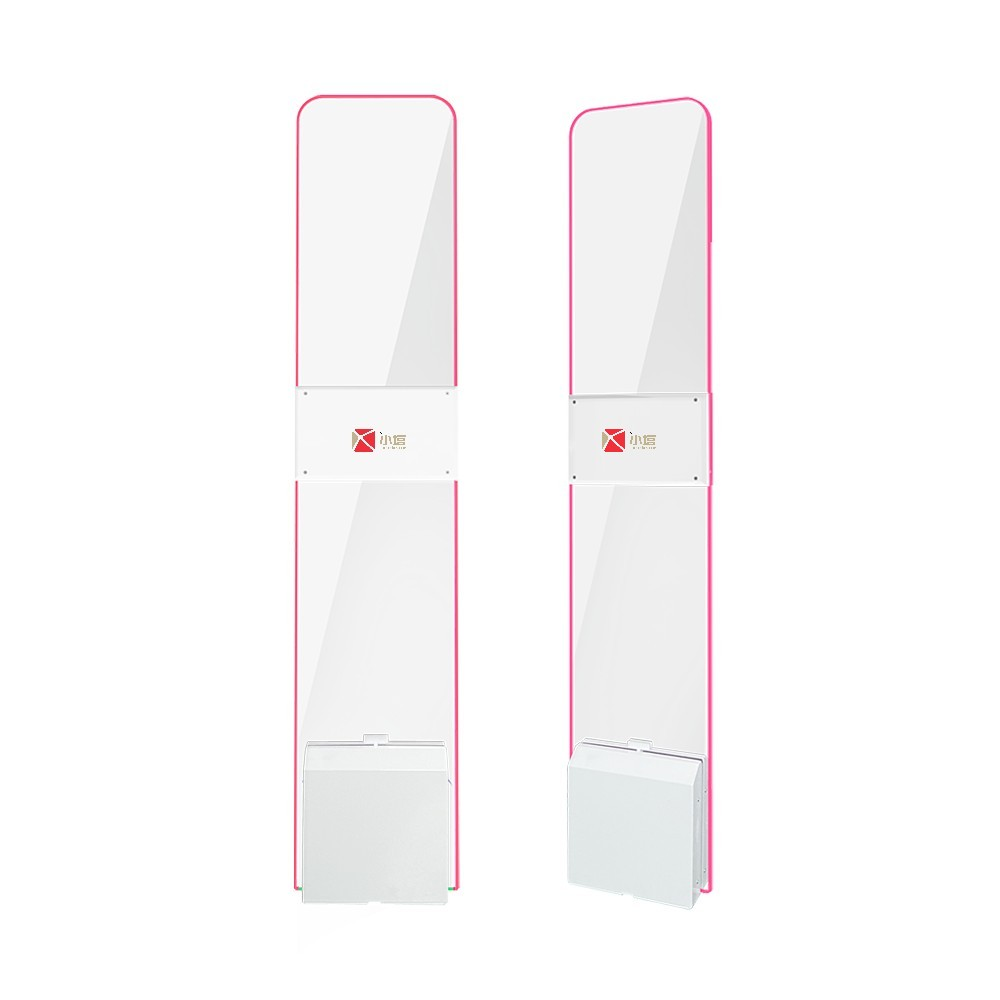
Connecting checkout status with RFID exit detection gives teams clearer information about paid and unpaid item movement. Deployment is configured around store layout, POS processes and loss-prevention requirements.
A complete RFID workflow can combine tag printing, mobile and fixed reading, checkout equipment and loss-prevention devices according to the store layout and operating requirements.
Tag selection, reading zones, software rules, system integration, staff procedures and exception handling must work together. Xiaota coordinates these elements around the customer's existing operation.
Barcodes normally require line-of-sight and item-by-item scanning. UHF RFID can identify multiple tagged garments without presenting every barcode individually, making frequent cycle counts more practical.
Xiaota provides standard API integration capabilities. The exact interface, data fields and workflow are confirmed during project assessment.
Yes. A project can begin with tagging, receiving and inventory counting, then expand to replenishment, checkout or loss prevention.
Yes. Xiaota can support assessment, hardware and software configuration, integration, testing, on-site deployment, staff training and ongoing service.
Tell us your store count, SKU volume, current counting frequency, receiving and replenishment processes, existing ERP/WMS/POS environment, and checkout or loss-prevention needs. Xiaota can help define a practical pilot and rollout path.
Contact us for more apparel rfid solutionsLeave A Message
Scan to wechat :